Thinking about buying a historic home in Cold Spring Harbor? It can be an exciting move, but it also comes with questions that newer homes usually do not. If you love character, original details, and the story behind an older property, this guide will help you understand what to look for, what to ask, and how to plan wisely before you buy. Let’s dive in.
What makes Cold Spring Harbor historic?
Cold Spring Harbor’s historic housing stock reflects several chapters of local development, not just one architectural era. According to the Town of Huntington’s preservation materials, the local Cold Spring Harbor Historic District includes Harbor Road, Shore Road, Main Street, and Goose Hill Road, and those same four residential districts are also listed on the National Register of Historic Places.
That history matters because many homes here were shaped over time. The area developed first as a seaport and whaling center, then later as a summer resort and affluent residential community, which helps explain why you may see original early houses alongside later additions, porches, bays, and decorative details. In other words, when you buy a historic home here, you are often buying a property with layers of change rather than a house preserved from a single moment in time.
Historic styles by area
Harbor Road and Shore Road
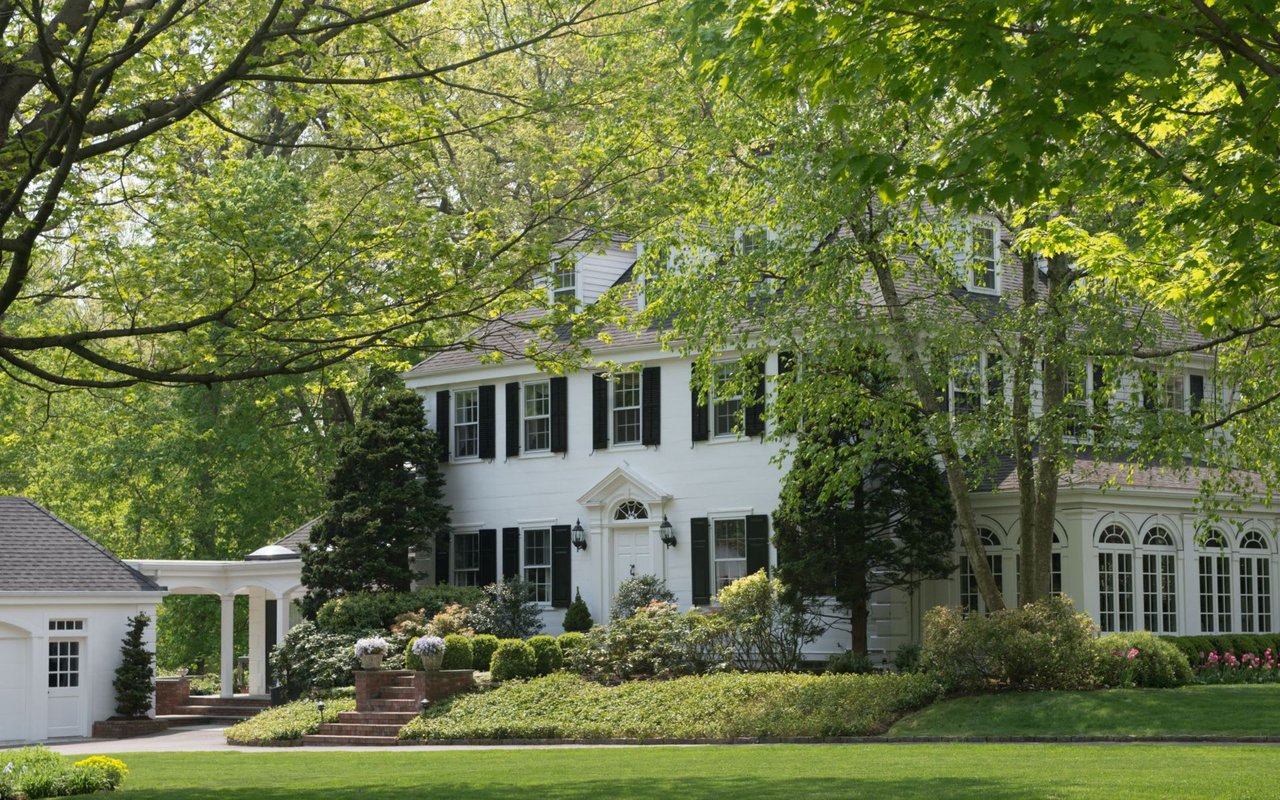
Homes along Harbor Road and Shore Road are often large wood-frame houses. The Town describes many as Federal and Greek Revival in origin, with later Queen Anne and Italianate details added during the resort era.
Harbor Road is also noted for its steep southeastern bank above the harbor. That topography can shape both the look of the streetscape and the practical questions you should ask during due diligence.
Main Street
Main Street includes mostly residential buildings, along with some commercial structures. Many were built between the 1850s and 1890, with styles that include Federal, Greek Revival, Gothic Revival, Queen Anne, and Shingle.
For a buyer, that means visual charm often comes with variety. Two homes on the same stretch may have very different original features, later updates, and maintenance needs.
Goose Hill Road
Goose Hill Road has a more agrarian feel, with simpler vernacular frame houses from the late 18th and early 19th centuries. Some also include later Gothic Revival and Italianate alterations.
That can make age and authenticity harder to judge at a glance. A home may look modest from the street but still have significant historic fabric or a long record of additions and changes.
Know the difference between historic designations
One of the biggest misconceptions buyers have is assuming all historic designations work the same way. They do not.
The National Register of Historic Places does not automatically restrict what a non-federal owner can do with a property. It also does not automatically create local historic zoning review.
Local regulation is a separate issue. In Huntington’s unincorporated areas, the Historic Preservation Commission handles Certificates of Approval for designated properties.
Why designation affects your plans
If a home is a designated landmark or sits within a local historic district, you may need a Certificate of Approval before a building permit can be issued for exterior work. The Town’s preservation guide notes that this process can add three or more months, so your renovation timeline may be longer than expected.
That said, not every project gets the same level of review. Interior-only changes that do not affect exterior appearance are not reviewed by the Preservation Commission, which may make some kitchen or bath updates more straightforward.
Before you move forward, it helps to clarify whether the property is:
- National Register listed only
- In a local Town historic district
- Both locally designated and National Register listed
That distinction can affect timing, paperwork, and what kinds of exterior changes may need review.
Inspection issues to prioritize
Older homes deserve a more detailed inspection strategy than newer construction. Character is a major draw, but original materials and past modifications can create surprises if you do not look closely.
Building envelope and windows
Pay close attention to the roof, flashing, gutters, masonry, doors, and windows. The National Park Service recommends a repair-first approach for historic windows and notes that features like weather-stripping can improve performance while minimizing impact on historic materials and design.
That is important because older windows are not always a reason to walk away. In many cases, the real question is whether they are repairable and whether previous replacements were done in a way that fits the house.
Moisture and drainage
Moisture is one of the most important issues to evaluate in any older home. Because parts of Cold Spring Harbor include wooded harbor-side slopes, it makes sense to look carefully at grading, drainage patterns, retaining walls, and any signs of long-term water intrusion.
Ask your inspector to look beyond cosmetic updates. A finished basement or fresh paint should not distract from signs of recurring moisture problems.
Lead paint and asbestos
If a home was built before 1978, it is more likely to contain lead-based paint. The EPA’s lead guidance recommends using lead-safe certified contractors for renovation, repair, or painting work that disturbs painted surfaces.
For older materials that may contain asbestos, the EPA also advises using trained and accredited professionals if materials are damaged or will be disturbed. In some cases, undisturbed material in good condition is best left in place.
Septic and wastewater approvals
If the property is not connected to public sewer, septic or cesspool questions become especially important. Suffolk County’s Office of Wastewater Management may require permits when a homeowner is building, expanding, or modifying a property, and the county may require approval or upgrades if the sanitary system is not adequate for the proposed use.
For buyers thinking about additions or reconfiguring living space, this can have a direct impact on future plans. A beautiful older home may still come with practical limits tied to wastewater capacity and approvals.
Smart questions to ask before you buy
A historic home purchase usually goes more smoothly when you ask detailed questions early. You do not need every answer before you tour a property, but you should try to gather them before you commit fully.
Consider asking:
- Is the home in a local historic district, National Register district, or both?
- Is there evidence of long-term water intrusion?
- Are the windows original, and if so, are they repairable?
- Do additions appear to have permit history?
- Is there documentation for the septic or sanitary system?
- Should any visible materials be treated as possible lead or asbestos until tested or evaluated?
These questions can help you separate manageable projects from expensive unknowns.
Renovation trade-offs in Cold Spring Harbor
Buying a historic home often means balancing preservation, comfort, and budget. The goal is usually not to freeze a house in time, but to make thoughtful improvements without creating unnecessary cost or approval issues.
According to Huntington’s preservation guide, original exterior materials should be preserved when possible and replaced in kind when necessary. Additions should be sympathetic to the original building without pretending to be original.
When permits may come into play
Huntington’s Building Department states that a permit is required for construction, alteration, moving, repair, modification, demolition, or change of use of a building or structure. The Town also notes that no permit is required for roofing, siding, and window or door replacement only when the work is in kind and involves no structural change.
That can make a big difference if you are planning updates right after closing. If your vision includes exterior changes, expanded living space, or structural work, it is wise to build in extra time for review.
Very old homes may need more paperwork
For structures constructed before 1934, Huntington’s building checklist includes a letter-in-lieu-of-certificate-of-occupancy application. The Town also allows FOIL searches of permit and certificate-of-occupancy history.
This is one reason permit history matters so much with older homes. Past work may exist, but you want to understand what was documented before you make future plans.
Energy upgrades can still work
Historic does not have to mean inefficient. The National Park Service identifies compatible weatherization strategies for historic buildings, including air sealing, storm windows, weather-stripping, and efficient HVAC improvements.
That is good news if you love old-house charm but want better comfort. In many cases, thoughtful upgrades can improve day-to-day living without stripping away the features that made you fall in love with the home in the first place.
A practical buying strategy
If you are serious about buying a historic home in Cold Spring Harbor, it helps to think of the purchase as both a lifestyle decision and a maintenance decision. The charm is real, but so is the importance of good due diligence.
Focus on four priorities:
- Confirm the designation status
- Review permit and CO history
- Inspect for structure, moisture, and older materials
- Understand septic or wastewater constraints
When you approach the process with clear expectations, historic homes become much less intimidating. You can enjoy the character and setting while making smart choices about cost, timing, and future improvements.
If you are exploring older homes in Cold Spring Harbor and want a steady, local guide through the process, Kate Works can help you evaluate opportunities, connect with the right professionals, and move forward with confidence.
FAQs
What should you check first when buying a historic home in Cold Spring Harbor?
- Start by confirming whether the home is in a local historic district, listed on the National Register, or both, because that affects future renovation review and timing.
Does National Register listing restrict changes to a Cold Spring Harbor home?
- No. According to the National Park Service, National Register listing alone does not automatically restrict what a non-federal owner can do or create local zoning review.
Do Cold Spring Harbor historic homes need special approval for renovations?
- Some do. In Huntington’s unincorporated areas, designated landmarks and properties within local historic districts may need a Certificate of Approval before a building permit can be issued for exterior work.
Are original windows in a historic home always a problem?
- Not necessarily. National Park Service guidance supports repairing and retaining historic windows when feasible, rather than assuming replacement is always the best option.
Why do septic issues matter when buying an older home in Suffolk County?
- If a property is not on public sewer, Suffolk County approvals may be required for building, expanding, or modifying the home, and existing systems may need review or upgrades depending on the proposed use.
How long can historic review add to a renovation timeline in Huntington?
- The Town’s preservation guide says the Certificate of Approval process can add three or more months, so it is smart to plan ahead if you expect to do exterior work.