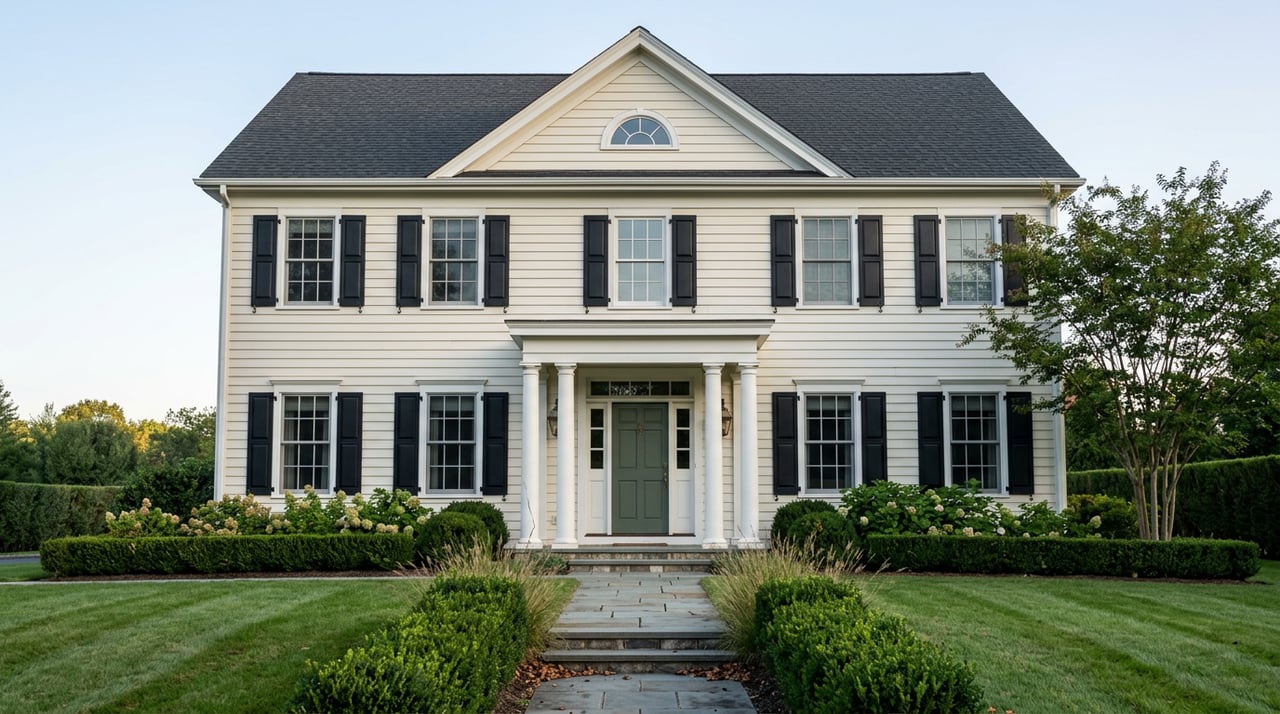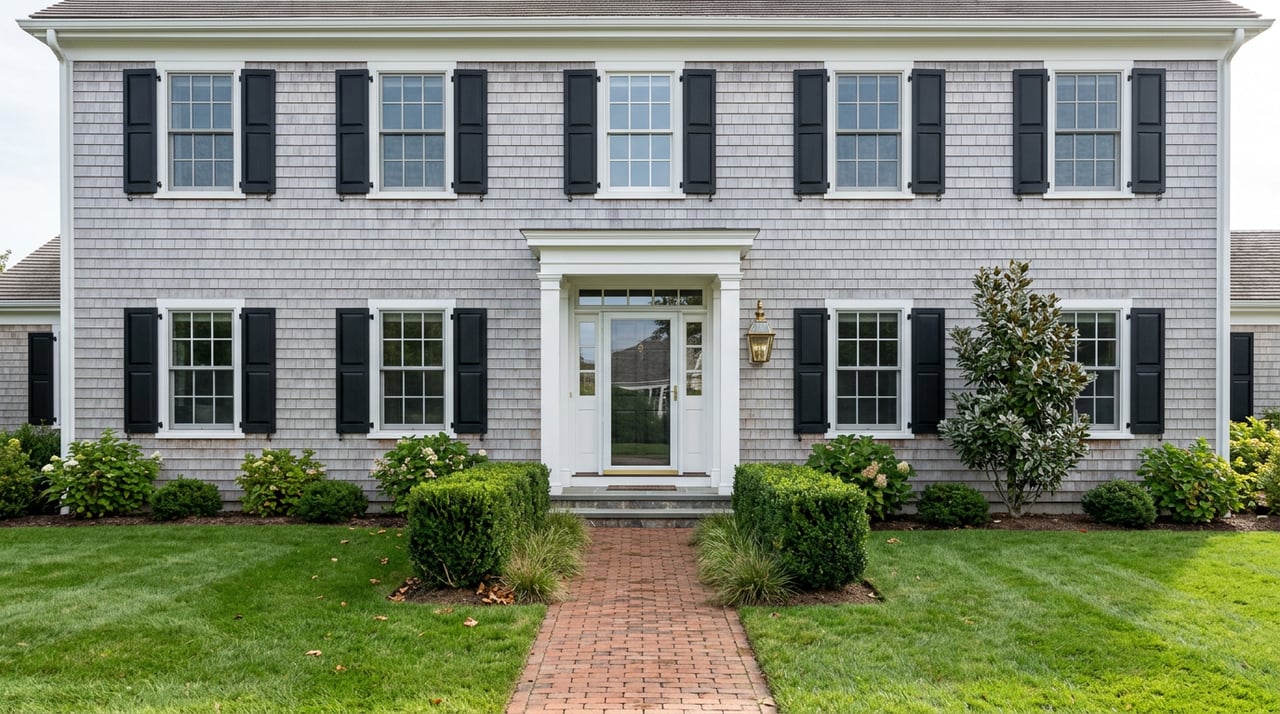
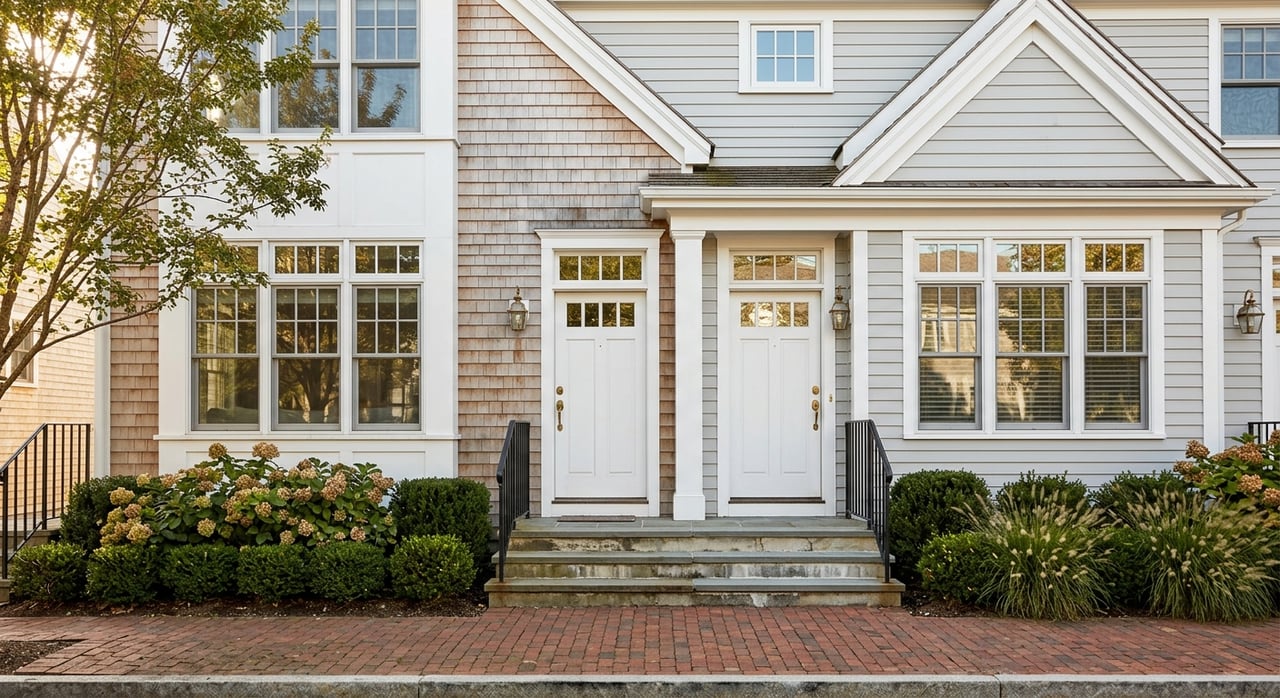
Wondering whether a condo or townhome in Patchogue Village is the right move for you? You are not alone. For many buyers, these homes offer a simpler way to enjoy village life near downtown, the waterfront, and the LIRR without taking on all the upkeep that often comes with a detached house. This guide will help you understand where these homes are located, how ownership works, what costs to expect, and what to look for before you buy. Let’s dive in.
Patchogue Village housing basics
Patchogue Village is a compact waterfront village on Great South Bay in Suffolk County. County planning materials describe it as about 2.2 square miles, and village planning has long supported multiple-family housing near downtown and the LIRR station.
That planning pattern helps explain an important point for buyers. Condos and townhomes in Patchogue Village are not spread evenly across the village. Instead, they tend to cluster in a few pockets near the village core, where walkability and access to Main Street, parks, the station, and the waterfront are part of the appeal.
Village planning materials also show how strongly Patchogue is tied to both downtown and the water. The village highlights Riverwalk, Shorefront Park, waterfront access, the band shell, and connections to the Fire Island National Seashore terminal. If you are shopping for an attached home here, that location story matters just as much as the floor plan.
Where condos and townhomes cluster
If you are searching for condos or townhomes in Patchogue Village, you will usually find them in a handful of known communities and waterfront-oriented areas. These are the places where attached housing is most established.
Riverwalk area
The Riverwalk area around Millie Court, Rosebud Court, and River Avenue is one of the best-known townhome pockets in the village. Suffolk County planning materials identify Riverwalk as a 92-townhouse development.
Current listings often describe this area as being close to Main Street, the LIRR, and Fire Island ferries. That makes it especially appealing if your goal is a walkable, connected lifestyle rather than a large private lot.
Terrace Lane
Terrace Lane is another example of how attached homes appear in smaller clusters. County materials identify Pinewood Terrace as an 8-townhouse development on Terrace Lane.
For buyers, that smaller scale can mean very limited availability. When units in these compact communities come to market, they may attract attention quickly simply because there are not many of them.
Copper Beech area
Recent townhome listings place Copper Beech near Maler Lane and Stahlman Lane in the heart of Patchogue Village. Listings there highlight features like attached garages, private driveways, and views overlooking a park.
That mix can appeal to buyers who want some of the convenience of attached living without giving up practical everyday features like direct parking and extra storage.
Waterfront condo pockets
Some Patchogue Village condos lean more heavily into the waterfront side of the market. Current listings on Fairharbor Drive and River Avenue emphasize water or dock views along with easy access to village destinations.
If being near the bay, marina activity, or waterfront parks is part of your vision, these areas are worth watching closely. Inventory can be tight, and location often drives value.
What inventory looks like
One of the biggest realities in Patchogue Village is that condo and townhome inventory is limited. Redfin’s Patchogue condo page shows just 6 condos for sale, with a median listing price around $330,000.
That tells you two things right away. First, attached homes can be a more accessible entry point than many detached homes in the broader Patchogue market. Second, because there are not many available at one time, you may need to move quickly when the right property appears.
Condos vs. townhomes in Patchogue
The terms condo and townhome are often used together, but they are not always the same in how ownership works. In Patchogue Village, the most important detail is not the label. It is what the governing documents say you own and what the association is responsible for maintaining.
New York’s Attorney General advises buyers to read the full offering plan before signing. For townhouse-style communities, buyers should pay close attention to who owns and maintains roads, sidewalks, drainage systems, and retaining walls.
That matters because two homes that look similar from the outside can come with very different ownership responsibilities. One community may handle more through the monthly fee, while another may place more responsibility on the owner.
Common amenities and monthly fees
Many Patchogue Village attached-home communities trade private yard space for shared amenities and lower exterior-maintenance demands. Depending on the community, you may see features such as:
- Clubhouse access
- Pools
- Playgrounds
- Tennis courts
- Gated entrances
- Docks or water views
- On-site laundry
- Attached garages
- Private driveways
Recent listings in the village mention combinations of these features. Riverwalk listings, for example, have referenced village amenities such as a pool, tennis, and parking at parks and the railroad station, while other communities emphasize gated waterfront access or garage-plus-driveway parking.
Monthly charges can vary widely, and what they cover can vary just as much. In local examples, association costs may include items such as:
- Exterior maintenance
- Grounds care
- Sewer
- Snow removal
- Water
- Gas heat
- Hot water
- Trash
- Landscaping
- Cable
This is why you should never assume two monthly fees are comparable just because the dollar amount looks similar. A higher fee may include major recurring costs that would otherwise come out of your pocket.
How costs compare with single-family homes
If budget is a big factor in your search, Patchogue’s numbers tell an interesting story. As of May 2026, Patchogue’s median sale price across all home types was $563,413, and Realtor.com showed a median listing price of about $599,000.
On the attached-home side, the median listing price for condos was around $330,000. That creates a potential lower-cost entry point for some buyers, especially first-time buyers who want to stay in the village.
But townhomes do not always sit at the low end. Current examples include a Copper Beech townhome listed at $609,999, and a Riverwalk townhome sold for $590,000 in May 2025. In other words, updated or well-located village-core townhomes can overlap with detached-home pricing.
Lifestyle tradeoffs to consider
For most buyers, the bigger decision is not just price. It is lifestyle.
Condos and townhomes in Patchogue Village often make the most sense if you want a lower exterior-maintenance lifestyle and easy access to downtown destinations. The village parking program also supports this kind of living, with yearly permits available for back municipal lots and the Railroad Station lot, and public lots connected to Main Street by well-lit walkways.
Village planning also ties downtown to the riverfront, Shorefront Park, Riverwalk, and the ferry terminal. If you picture yourself spending more time walking to restaurants, parks, events, or transit, attached living may fit that routine well.
Detached homes usually offer more land, more privacy, and more control over the property. They also typically leave more of the maintenance, landscaping, and improvement work in your hands.
Why flood and maintenance questions matter
In Patchogue Village, property upkeep is not just about convenience. It can also affect long-term costs and risk.
Suffolk County’s hazard annex says all 2.2 square miles of the village are in the floodplain, with coastal areas identified as especially flood-prone. The same report notes that about 500 of the village’s 4,000 homes were impacted by Sandy.
The village is pursuing flood mitigation work, including living shoreline and Little Creek projects, and its floodplain management program exceeds minimum NFIP requirements through a 4-foot freeboard standard. For you as a buyer, this makes due diligence around building condition, insurance questions, drainage responsibility, and association planning especially important.
In an attached-home community, one of the advantages may be that some exterior responsibilities are shared or managed through the association. But you still need to understand exactly how that is structured, because the documents control the real answer.
Smart questions to ask before buying
Before you make an offer on a Patchogue Village condo or townhome, ask careful questions about both the unit and the community. A good checklist includes:
- What does the monthly fee cover?
- Are exterior repairs included?
- Who handles snow removal and landscaping?
- Are water, sewer, trash, heat, hot water, or cable included?
- Who owns and maintains the roads, sidewalks, drainage, and retaining walls?
- Are there reserve issues or planned special assessments?
- Have board minutes or financial reports flagged major upcoming repairs?
- If you want to change the exterior, what approvals are required?
That last point is easy to overlook. Patchogue Village says permits may be required for additions, decks, fences, HVAC, solar panels, pools, and many structural or mechanical interior changes. Even if your association allows something, village requirements may still apply.
Who these homes tend to suit best
Patchogue Village condos and townhomes often work well for buyers who want convenience, less exterior upkeep, and a strong connection to village life. That can include first-time buyers, downsizers, and anyone who values being near Main Street, the waterfront, and the LIRR.
Single-family homes may be a better fit if your top priorities are yard space, privacy, or direct control over the property. Neither option is automatically better. It really comes down to how you want to live and what responsibilities you want to take on.
If you are comparing options in Patchogue, it helps to look beyond photos and price tags. The real difference is often in the monthly carrying costs, maintenance structure, and how well the location matches your daily routine.
If you want help sorting through Patchogue Village condos, townhomes, or single-family options across Suffolk County, Kate Works can help you compare the tradeoffs, understand the numbers, and move forward with confidence.
FAQs
What areas in Patchogue Village have the most condos and townhomes?
- The main clusters are around Riverwalk, Millie Court, Rosebud Court, Terrace Lane, Copper Beech near Maler Lane and Stahlman Lane, and some waterfront-oriented areas such as Fairharbor Drive and River Avenue.
What do monthly condo or HOA fees usually cover in Patchogue Village?
- Coverage varies by community, but local listings show fees may include exterior maintenance, grounds care, sewer, snow removal, water, gas heat, hot water, trash, landscaping, or cable.
Are Patchogue Village condos cheaper than single-family homes?
- Often yes, especially at the condo level. Current data shows Patchogue condos with a median listing price around $330,000, while the broader Patchogue market has median sale and listing prices that are notably higher.
What should you review before buying a Patchogue Village townhome?
- You should review the offering plan, association financials, board minutes, fee coverage, and who maintains roads, sidewalks, drainage systems, and retaining walls.
Do exterior changes in Patchogue Village require approval?
- They can. Patchogue says permits may be required for items such as additions, decks, fences, HVAC, solar panels, pools, and many structural or mechanical interior changes.
Why does flood risk matter when buying in Patchogue Village?
- County materials say the entire village is in the floodplain, so buyers should pay close attention to location, building maintenance, drainage responsibility, and the community’s planning for exterior systems and repairs.