
Selling a home in Port Jefferson is rarely as simple as putting a sign in the yard and waiting for offers. In a village known for its historic character, waterfront setting, and block-by-block differences, the details matter. If you want to sell with less stress and a better strategy, this guide will walk you through the key steps so you can prepare, price, market, and close with confidence. Let’s dive in.
Understand the Port Jefferson market
Port Jefferson is an incorporated village in the Town of Brookhaven in Suffolk County, and its local setting plays a big role in how buyers see value. The village’s planning documents highlight waterfront access, open space, parking, historic preservation, and architectural character. That means buyers often look beyond square footage and pay close attention to curb appeal, street presence, and micro-location.
Public pricing snapshots also show why local pricing needs nuance. Recent published figures vary, with Zillow reporting a home value index of $763,510, Realtor.com showing a median listing price of $787,495 and 22 median days on market, and Redfin reporting a median sale price of $696,083 over the prior three months. The big takeaway is simple: your price should be based on the newest nearby comparable sales, not one headline number.
Start with a pre-listing plan
A smooth sale usually begins before your home ever hits the market. In Port Jefferson, older housing stock, permit history, and village-specific character make early preparation especially important. When you handle the basics up front, you reduce the chance of delays once a buyer is ready to move.
A strong pre-listing plan often includes:
- Reviewing recent comparable sales in and around your immediate area
- Gathering records for permits, improvements, and certificates
- Identifying any visible repairs that could affect first impressions
- Planning staging, photography, and showing logistics
- Preparing required disclosures early
This is where having a responsive local guide can make a real difference. A clear plan helps you focus your budget and energy on the updates that are most likely to support value and reduce friction.
Confirm permits and property documents
Before listing, make sure your paperwork is in order. Port Jefferson’s Building Department says permits are required for new homes, additions, alterations, manufactured homes, and certain accessory structures. Its checklist also calls for items such as surveys, drawings, insurance and licensing, and a Certificate of Occupancy or Certificate of Existing Use for the dwelling, additions, and original structure.
For sellers, this means permit history is not a minor detail. If past work was done without proper approvals or final signoff, it can create delays or negotiation issues later. The village also states that property owners are ultimately responsible for code compliance, so it is smart to identify any gaps before your home goes live.
Complete required seller disclosures
New York now requires most sellers of one- to four-family residential property to complete and deliver a Property Condition Disclosure Statement before the buyer signs a binding contract. A signed copy is attached to the contract. The form is not a warranty, and buyers are still encouraged to do their own inspections, but it is an important part of the sales process.
For many Port Jefferson homes, some of the most relevant disclosure topics include:
- Certificates of occupancy
- Easements
- Floodplain and flood insurance questions
- Water intrusion
- Septic or sewer systems
- Structural or mechanical defects
You can still sell a home as-is, but accuracy matters. If you learn new information before transfer or occupancy that makes your disclosure materially inaccurate, New York law requires a revised disclosure as soon as practicable.
Check lead-based paint rules for older homes
If your home was built before 1978, federal lead-based paint disclosure rules apply before sale. Sellers must disclose known lead information, provide the required lead pamphlet, and give the buyer the opportunity for testing. This matters in Port Jefferson because many homes in the village are older.
It also matters if you plan to repaint or repair surfaces before listing. If the work disturbs older painted surfaces, lead-safe planning may be needed. Handling this early helps you avoid surprises during prep or contract negotiations.
Focus on curb appeal first
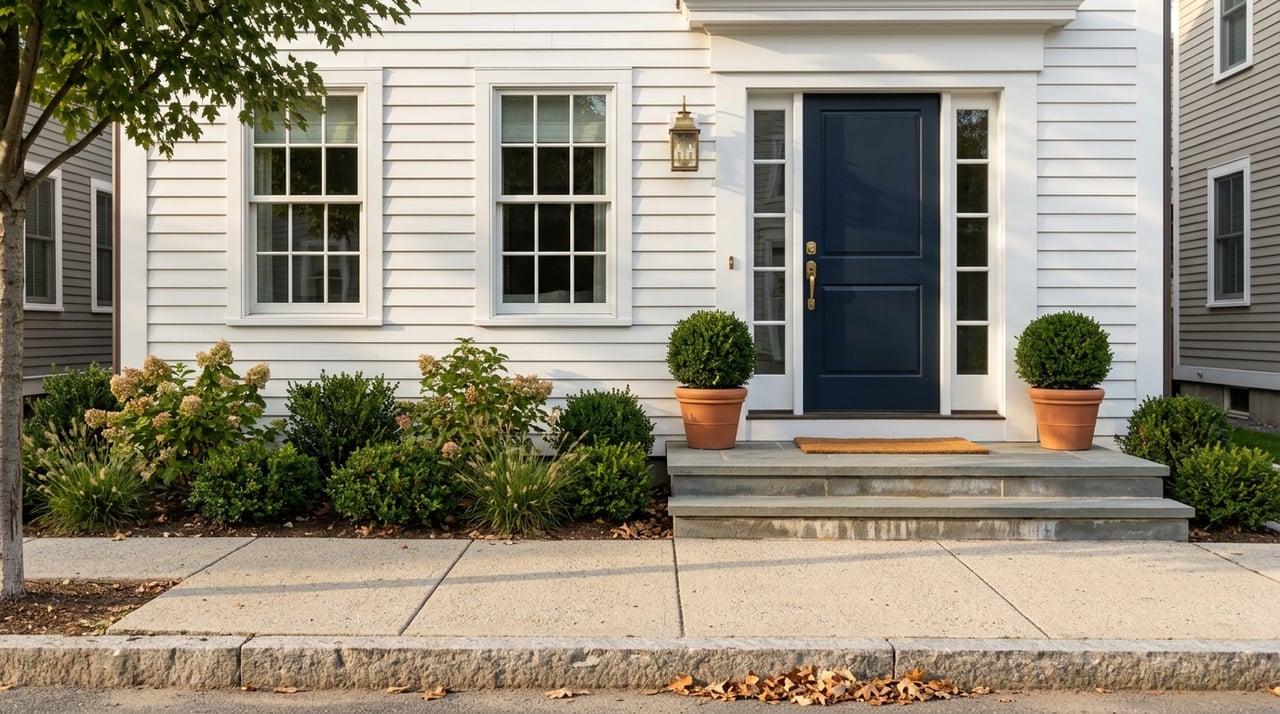
In Port Jefferson, exterior presentation carries extra weight. The village’s comprehensive plan highlights varied architectural styles, seven hills, and a focus on maintaining neighborhood tone and design standards. Buyers may react strongly to rooflines, porches, landscaping, trim condition, and how the home fits the feel of the block.
The local Architectural Review Committee exists to conserve and enhance the village’s appearance, especially in areas of scenic value or historical note. That does not mean every seller needs a major exterior project. It does mean visible issues like peeling paint, worn trim, dated lighting, or unfinished outdoor work should move up your priority list.
Stage for the way buyers shop today
Staging can support both value and speed. According to National Association of Realtors research, 29% of agents said staging led to a 1% to 10% increase in the dollar value offered, and 49% said staging reduced time on market. The rooms most often staged were the living room, primary bedroom, dining room, and kitchen.
In practical terms, Port Jefferson sellers often benefit from:
- Decluttering and simplifying each room
- Deep cleaning before photography and showings
- Brightening living spaces and entry views
- Refreshing kitchens and baths with small updates
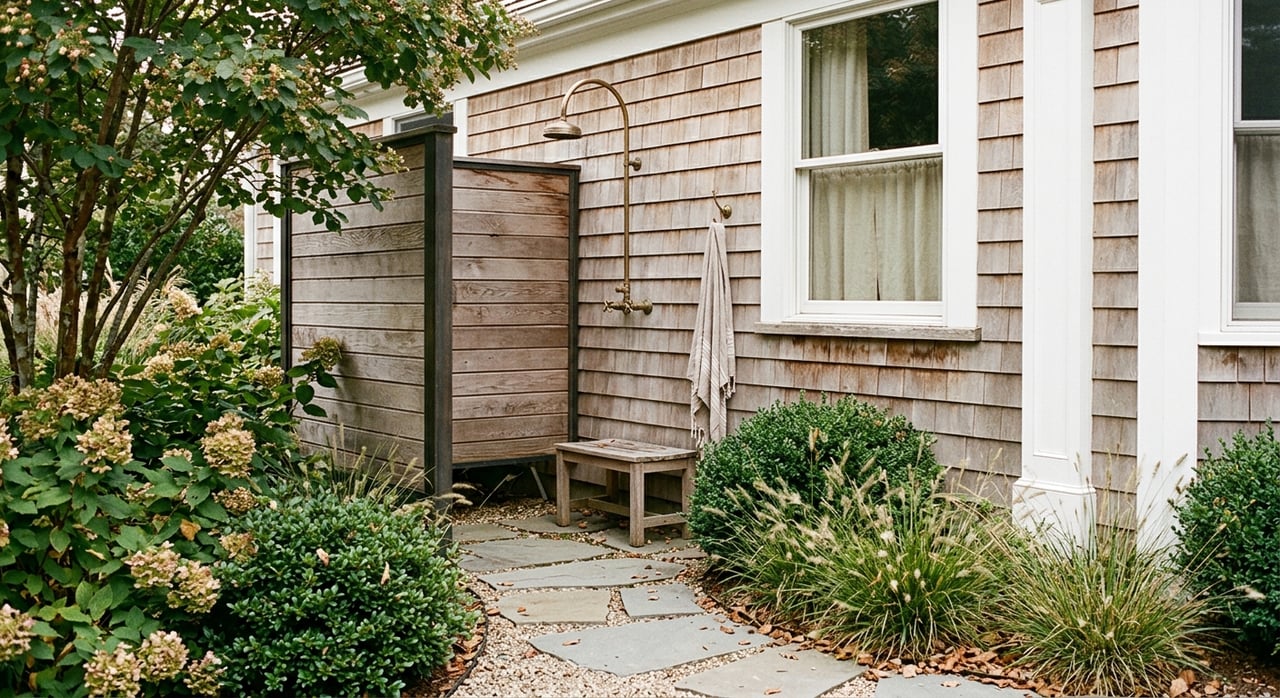
- Making outdoor areas look clean and intentional
You do not need to erase your home’s personality. You want to help buyers understand the space quickly and imagine themselves living there.
Invest in strong listing visuals
Most buyers start online, and your visuals shape the first impression. NAR reports that 52% of buyers found the home they purchased online, and 81% said listing photos were the most useful feature in their search. High-resolution photography and video are no longer optional if you want your home to compete well.
That is why premium presentation matters. Professional photography, video, and thoughtful sequencing of your first photo can help your listing stand out, especially in a market where buyers may compare village-center homes, older colonials, and waterfront-adjacent properties side by side. Floor plans can also help buyers understand the layout before they ever step inside.
Plan showings around location realities
Showing strategy should fit your home’s exact setting. Port Jefferson’s planning documents discuss parking, waterfront traffic, and pedestrian connections, and the village maintains resident parking information. For homes near downtown, the harbor, or ferry-related traffic patterns, small logistical details can affect the buyer experience.
Clear instructions can help reduce confusion and keep the showing focused on the home. Consider giving simple guidance on where to park, which entrance to use, and any timing issues that may matter. When buyers arrive calmly and easily, the showing usually starts better.
Price for today, not last season
Pricing is one of the most important decisions you will make. In a market with varying public data points and meaningful micro-location differences, overpricing can cost you time and leverage. Buyers are quick to compare condition, location, and presentation, especially when inventory includes homes with very different styles and settings.
A smart pricing strategy should weigh:
- The most recent comparable sales
- Current competing listings
- Your home’s condition and updates
- Exterior appeal and architectural presentation
- Location factors such as waterfront influence or village proximity
The goal is not just to list. It is to attract serious attention early, when your home is freshest to the market.
Review offers with a wider lens
When offers come in, the highest price is not always the strongest choice. In New York, sellers should pay close attention to contingencies, timing, financing strength, and the overall certainty of closing. A cleaner offer can sometimes beat a higher one if it carries less risk.
Some contingencies sellers may see include:
- Home sale contingencies
- Home close contingencies
- Rent-back clauses
- Inspection contingencies
Sellers can also ask to continue showing the home or use a kick-out clause in some situations to preserve flexibility if a stronger offer appears. If contingencies are not met on time, either party may be able to cancel without penalty when acting in good faith.
Watch inspection terms closely
Inspection terms deserve special attention because they can reshape a deal after acceptance. Home inspection contingencies are common, although some buyers in competitive markets may waive them to strengthen their offer. Either way, you should look carefully at how much room the buyer has to renegotiate.
Sometimes a slightly lower offer with fewer contingencies and a faster close is the better choice. This is especially true if you have already addressed likely concerns before listing. Pre-sale organization often gives you more confidence during negotiations.
Prepare for New York closing costs
One of the main seller costs at closing in New York is the state real estate transfer tax. It is $2 for each $500 of consideration and is generally paid by the seller unless the contract says otherwise. If the property sells for $1 million or more, the buyer generally pays the 1% mansion tax.
Outside New York City, Form TP-584 is filed with the county clerk where the property is located, and the tax and filing are due no later than 15 days after delivery of the deed or similar document. In Suffolk County, the Clerk’s Office records deeds and computes and collects fees and transfer taxes, so your attorney and title team should be aligned with county recording requirements early.
Know if nonresident rules apply
If you are a New York nonresident, there may be an additional filing requirement at closing. Form IT-2663 is generally submitted to the county recording officer when the deed is presented for recording. This is another reason it helps to gather your closing documents early rather than waiting until the final week.
The cleanest path to closing usually starts well before contract. When you confirm disclosures, permits, and transfer-related paperwork early, you create fewer opportunities for last-minute surprises.
Why a guided process matters
Selling in Port Jefferson is part pricing exercise, part marketing project, and part paperwork management. You need a strategy that respects the local character of the village while also meeting modern buyer expectations online and in person. That is where a steady, organized approach can protect both your timeline and your bottom line.
With the right support, you can make smart prep decisions, present your home at a high level, and move through negotiations with less stress. If you are thinking about selling your Port Jefferson home and want a clear plan built around your property, connect with Kate Works for thoughtful guidance, premium marketing, and responsive support from start to finish.
FAQs
What makes selling a Port Jefferson home different from selling elsewhere in Suffolk County?
- Port Jefferson’s waterfront setting, historic character, parking patterns, and block-by-block architectural differences can all affect pricing, presentation, and showing strategy.
What disclosures are required when selling a Port Jefferson single-family home?
- Most sellers of one- to four-family homes in New York must provide a Property Condition Disclosure Statement before the buyer signs a binding contract, with the signed copy attached to the contract.
What permit records should you gather before listing a Port Jefferson home?
- You should gather records for additions, alterations, accessory structures, surveys, and any Certificate of Occupancy or Certificate of Existing Use tied to the dwelling and completed work.
What should you fix before listing a Port Jefferson house?
- Focus first on visible exterior and first-impression items such as peeling paint, worn trim, dated lighting, landscaping, and unfinished work, then address interior decluttering, cleaning, and obvious maintenance concerns.
What closing costs do sellers usually pay in a Port Jefferson home sale?
- In New York, the seller generally pays the state real estate transfer tax of $2 for each $500 of consideration unless the contract says otherwise.
What happens if your Port Jefferson home was built before 1978?
- Federal lead-based paint disclosure rules apply, so you must disclose known lead information, provide the required pamphlet, and give the buyer the opportunity for testing.