Wondering what it’s really like to buy your first home in Port Jefferson? You are not alone. For many first-time buyers, this village stands out because it offers a mix of waterfront charm, walkable spots, commuter access, and a housing market that can feel competitive and limited at the same time. If you are thinking about making your first move here, it helps to know what homes you are likely to see, what the buying process looks like in New York, and which local details can affect your budget. Let’s dive in.
Why Port Jefferson Feels Different
Port Jefferson is not just another Long Island market. The village sits on Port Jefferson Harbor and has two distinct retail areas identified in village planning documents: Downtown on the waterfront and Uptown near the LIRR station, connected by Main Street.
That layout matters when you are buying your first home. It means location is about more than square footage. In Port Jefferson, being closer to the harbor, downtown shops and restaurants, marina access, or the train area can shape both your day-to-day lifestyle and your home search.
The village also highlights walkable access to shops, specialty restaurants, and year-round cultural activity from the marina area. For a first-time buyer, that often makes Port Jefferson appealing if you want a home base with a little more activity and convenience built into daily life.
What First-Time Buyers Usually Find
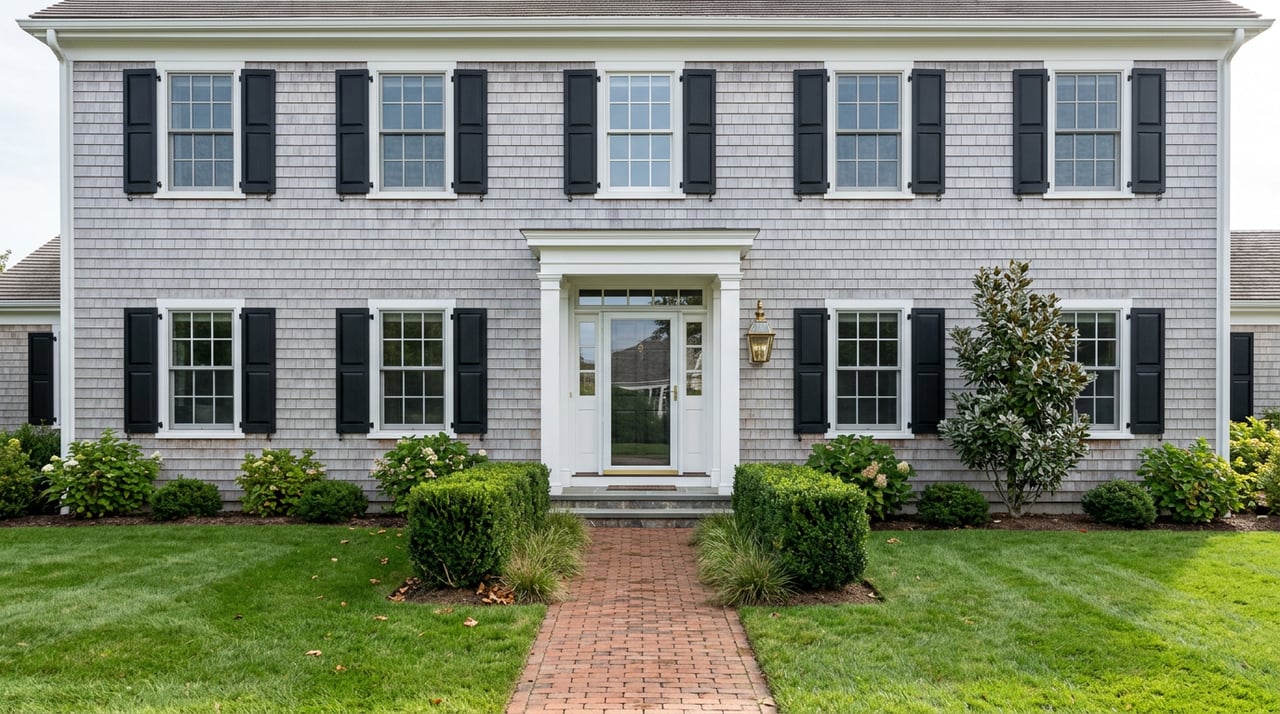
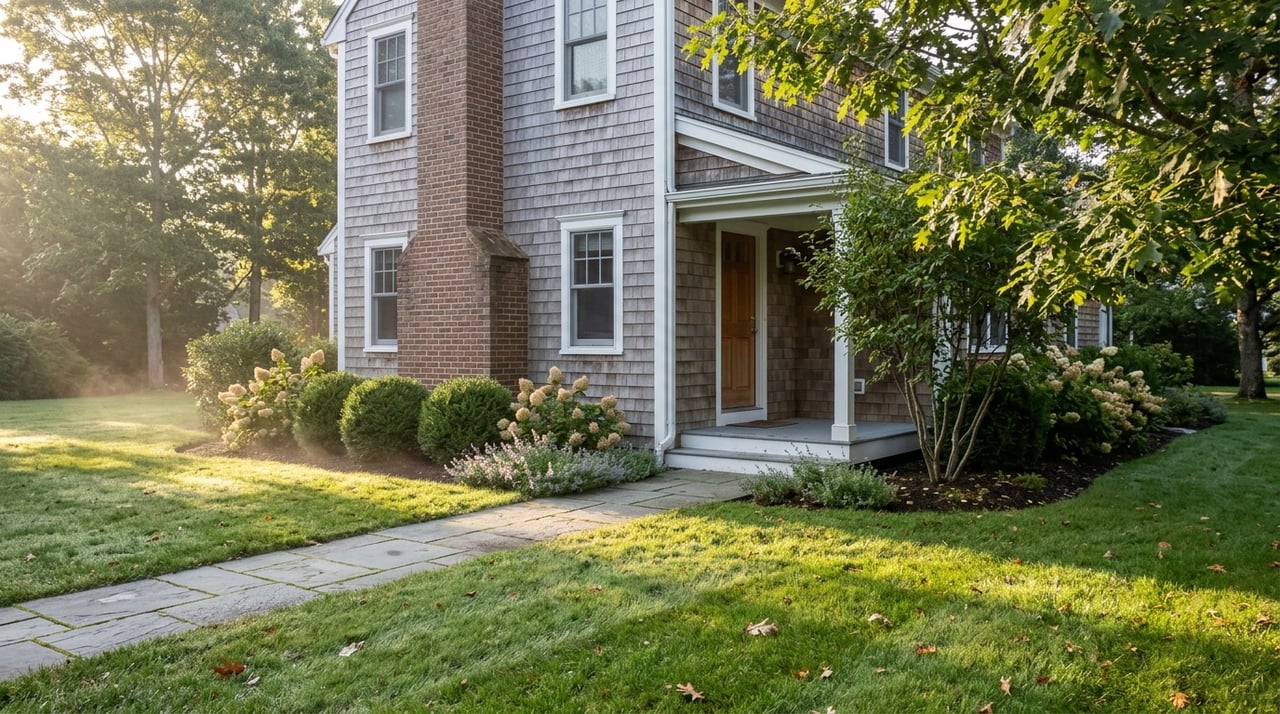
If you expect a huge range of starter-home choices, Port Jefferson may feel tighter than that. Public listing data points to limited inventory, with a mix that includes detached homes, a small number of condos, and occasional townhome-style options.
In the broader 11777 market, Redfin reported a median sale price of $765,000 and median days on market of 79 in March 2026. Redfin also described the area as somewhat competitive. In the Port Jefferson feed, homes were noted as spending about 33 days on market and receiving 12 offers on average.
That does not mean every home moves at the same pace. It does mean you should be prepared for competition when a well-located property comes on the market, especially if it is close to downtown, near the harbor, or offers lower-maintenance living.
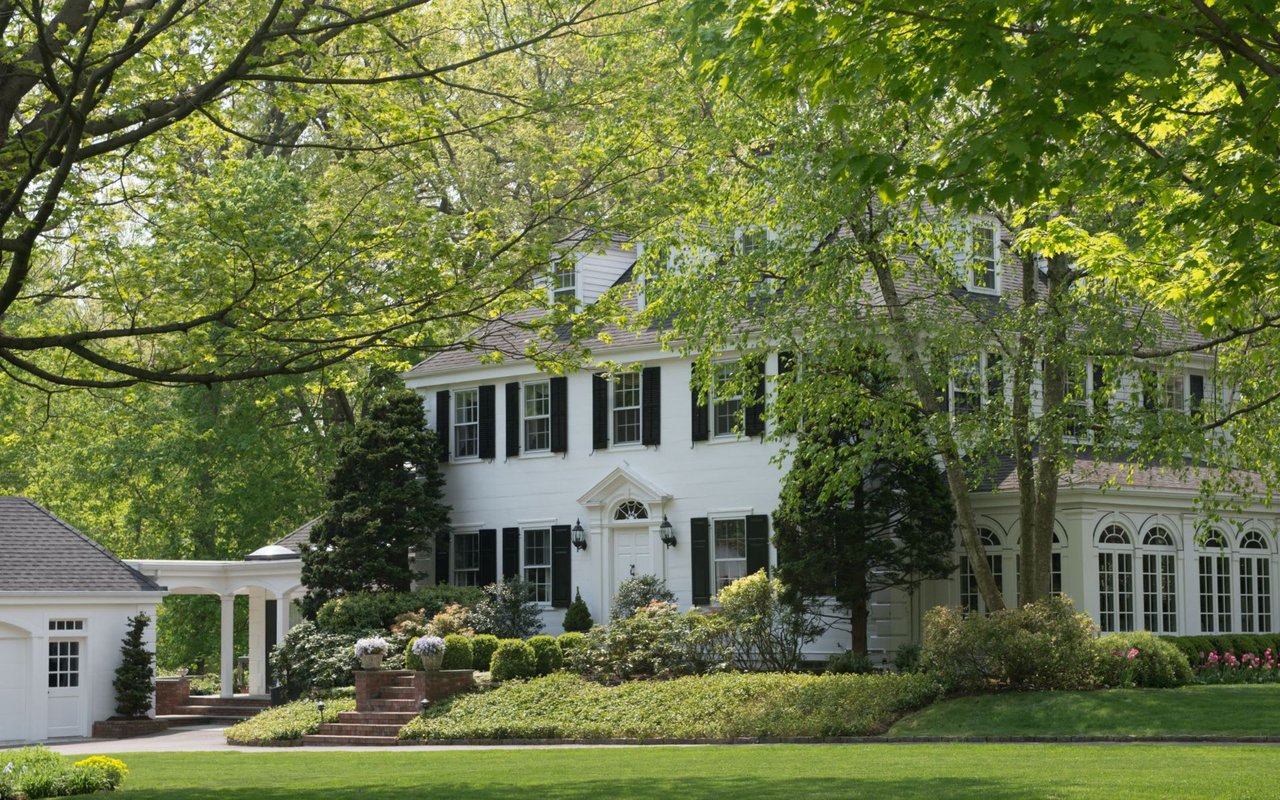
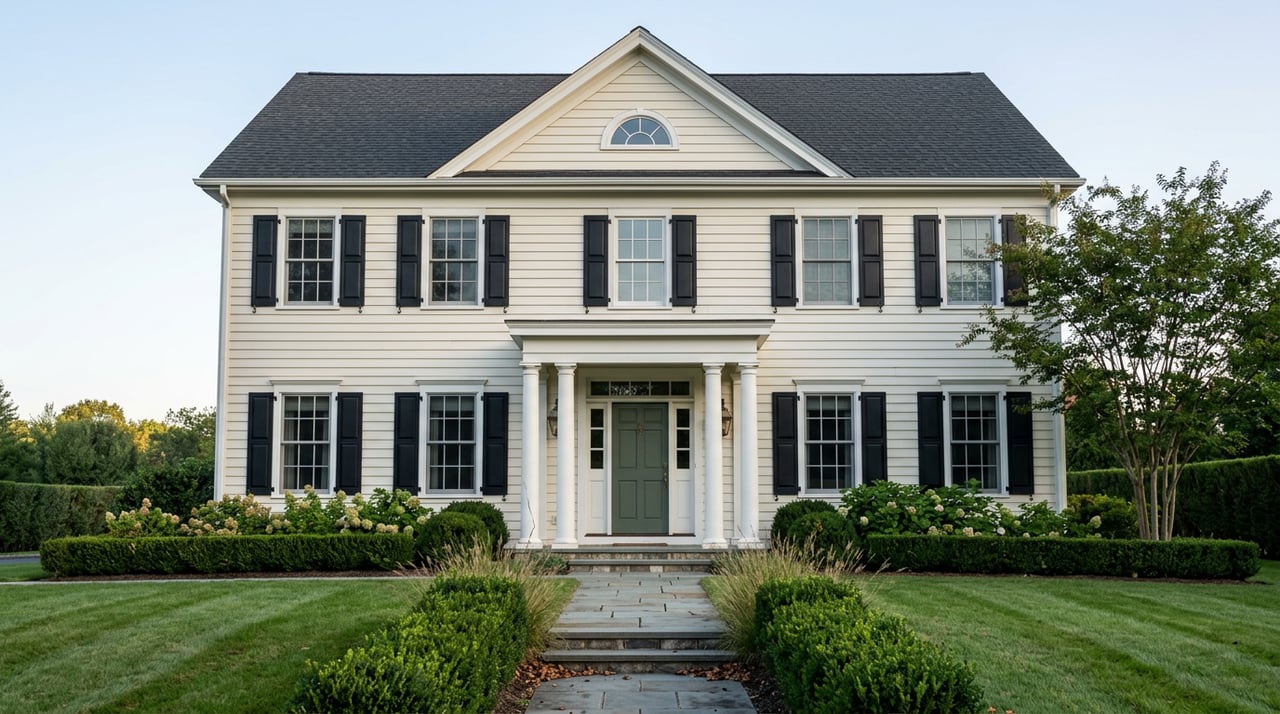
Detached homes are common
Detached homes appear to be the most visible part of the local inventory mix. Current public feeds show village homes ranging from roughly the high-$500,000s to around $900,000.
For first-time buyers, this creates a wide spread in expectations. Some homes may offer an easier entry point on price, while others command more because of location, updates, lot size, or proximity to the water and village center.
Condos and townhomes can be alternatives
Condos and townhomes can offer a lower-maintenance option, but they are not the dominant product type in Port Jefferson. Redfin’s condo page showed 3 condos for sale at a median listing price of $462,000.
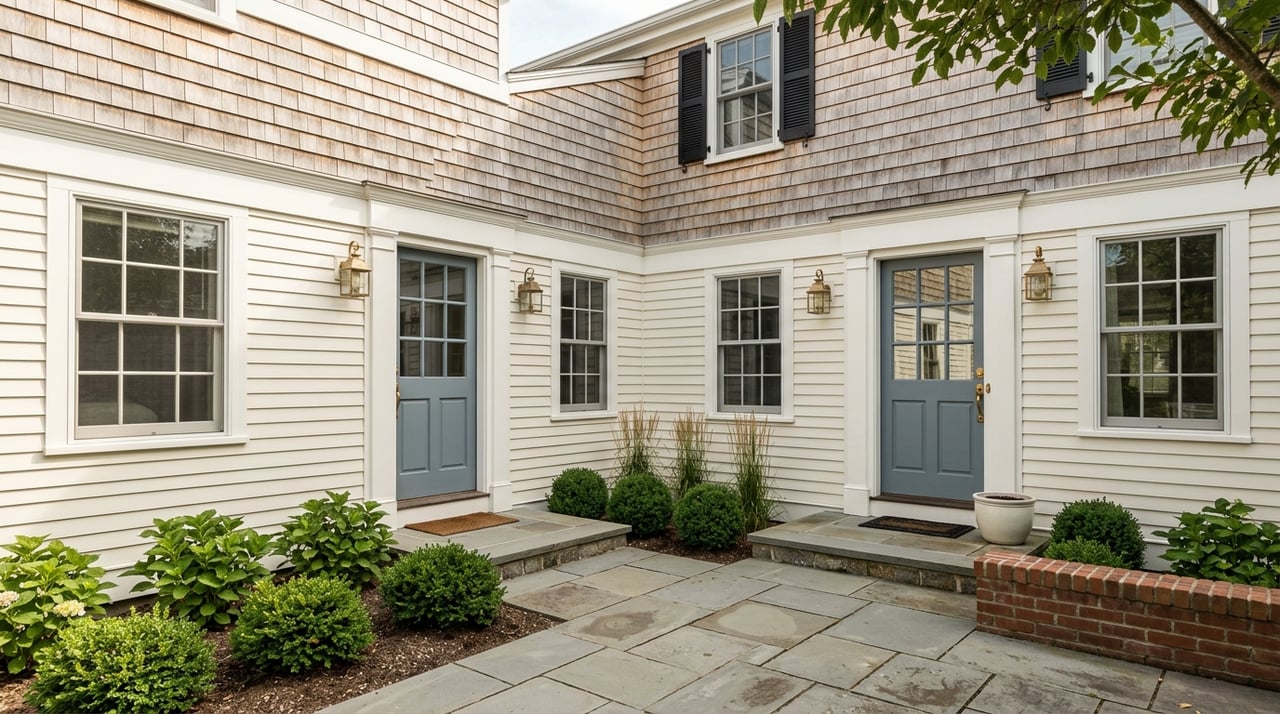
You may also see townhome-style listings close to downtown that include HOA dues and shared amenities. These options can be attractive if you want less exterior upkeep, but they come with a different ownership experience than a detached house.
How Condos and Townhomes Differ
If you are comparing a condo or townhome to a detached house, the monthly payment is only part of the picture. A condo or townhome may come with HOA or common charges, community rules, and more documents to review before closing.
That extra review matters. New York’s Attorney General notes that buying a condo has significant legal and financial consequences, so you need to understand exactly what you are purchasing before you commit.
For some buyers, the tradeoff is worth it. You may get a more manageable maintenance routine, shared amenities, or a location that would be harder to reach with a detached home budget.
Why Some Homes Cost More
One of the biggest first-time buyer questions is simple: why does one Port Jefferson home feel much more expensive than another? In this market, location can be a major driver.
Village planning materials describe the waterfront downtown as a key retail and activity center, and the harbor area offers the kind of walkability and marina access many buyers value. Homes that place you closer to those features often attract stronger interest.
Waterfront and near-water homes can carry an additional premium. Zillow’s 2026 research found that waterfront homes sell for about 3% more than similar homes without that feature, and lifestyle amenities such as docks can push values higher.
That does not mean every buyer should chase a water-adjacent property. It means you should understand that views, walkability, harbor access, and closeness to the village center may all influence price and competition.
The Cost Side of Waterfront Living
The lifestyle appeal of living near the water is real, but so are the added costs and questions. FEMA says flood damage is generally not covered by standard homeowners insurance.
If a home is in a high-risk flood area and you are using a government-backed mortgage, flood insurance is required. FEMA also notes that National Flood Insurance Program policies typically have a 30-day waiting period unless coverage is required or tied to a flood map change.
If you are looking at a waterfront or near-water home, make sure you ask about:
- Flood zone status
- Flood insurance cost
- Any history of flood damage
- How insurance affects your monthly payment
Those details can change affordability in a meaningful way.
What to Budget Beyond the Down Payment
A lot of first-time buyers focus on the down payment and preapproval amount. That is important, but it is only part of the total picture.
CFPB says your monthly housing payment may include mortgage principal and interest, property taxes, homeowners insurance, mortgage insurance if applicable, supplementary insurance such as flood insurance, and HOA fees. You should also plan for closing costs, moving expenses, repairs, and a cash reserve after closing.
A simple budgeting checklist can help:
- Down payment
- Closing costs
- Property taxes
- Homeowners insurance
- Flood insurance if needed
- HOA or common charges if applicable
- Moving costs
- Immediate repairs or updates
- Emergency reserve after closing
In a village market like Port Jefferson, local lifestyle details can also affect your planning. For example, the village says resident parking permits are required for free use of village lots, so parking convenience is worth thinking about if you expect to use village parking regularly.
What the Buying Process Looks Like in New York
The first major step is financial preparation. CFPB says lenders look at your income, assets, debts, and credit history when deciding whether to lend.
A preapproval letter shows that a lender is tentatively willing to lend up to a certain amount, but it is not a guaranteed loan offer. CFPB also notes that sellers often require a preapproval letter before accepting an offer, and these letters commonly expire in 30 to 60 days.
Step 1: Get preapproved
Before you seriously shop, get clear on what you can comfortably afford. A preapproval helps you understand your likely price range and shows sellers you are prepared.
In a market with limited inventory, this step is especially important. If the right home appears, you want to be ready.
Step 2: Make an offer
Once you find a home that fits your goals, you and your agent can decide on an offer strategy based on the property, the local pace, and the level of competition. In Port Jefferson, homes in strong locations may attract fast interest.
An accepted offer is a major milestone, but it is not the end of the process. In New York, there are still several important steps ahead.
Step 3: Move through contract and due diligence
After an offer is accepted, buyers generally move into contract review, inspection, insurance shopping, title work, and mortgage underwriting. CFPB advises buyers to submit lender documents, schedule a home inspection, review revised Loan Estimates if they change, and carefully read documents before closing.
New York’s Attorney General advises buyers to have their own attorney review all contracts and loan documents before signing. That is a standard and important part of the process in New York.
Step 4: Prepare for closing
You should plan on several weeks between an accepted offer and closing in a financed purchase, but there is no one-size-fits-all timeline. The schedule can depend on the lender, attorney review, inspection findings, appraisal, and title work.
CFPB notes that the lender must send the Closing Disclosure at least three business days before closing. The home purchase closing and mortgage closing usually happen at the same time.
What First-Time Buyers Should Watch Closely
In Port Jefferson, a smart first purchase is not just about finding a home you like. It is also about understanding how the property fits your budget, lifestyle, and comfort level with ongoing costs.
As you compare options, pay close attention to:
- Whether the home is detached, condo, or townhome
- Monthly ownership costs beyond the mortgage
- Distance to downtown, the harbor, or the LIRR area
- Parking logistics and village permit needs
- Flood risk and insurance questions for near-water homes
- How much competition the property may attract
These are the details that can make one home a better fit than another, even if both look good online.
Why Guidance Matters for a First Purchase
Buying your first home can feel like learning a new language overnight. In a place like Port Jefferson, where inventory can be limited and location-specific details matter, clear guidance can help you move with more confidence and fewer surprises.
The goal is not to rush. It is to understand what you are buying, what it will really cost to own, and how each choice lines up with the life you want to build here.
If you are thinking about buying your first home in Port Jefferson, Kate Works can help you make sense of the local market, connect you with trusted inspection, financing, and attorney resources, and guide you through each step with a calm, responsive approach.
FAQs
What price range should first-time buyers expect in Port Jefferson?
- Public listing and market data show a mix that includes condos around a $462,000 median listing price and detached homes ranging from roughly the high-$500,000s to around $900,000, with the broader 11777 median sale price reported at $765,000 in March 2026.
What should first-time buyers know about condos in Port Jefferson?
- Condo ownership can mean lower maintenance, but it may also include HOA or common charges, community rules, and more document review than a detached-home purchase.
What should first-time buyers budget beyond a down payment in Port Jefferson?
- You should budget for closing costs, property taxes, homeowners insurance, possible flood insurance, HOA fees if applicable, moving costs, repairs, and cash reserves after closing.
What should first-time buyers check on waterfront or near-water homes in Port Jefferson?
- You should check flood zone status, flood insurance costs, whether flood insurance may be required, and any known history of flood damage.
What is the first step for buying a home in Port Jefferson?
- A strong first step is getting preapproved, since lenders review your income, assets, debts, and credit, and sellers often want to see a preapproval letter with an offer.
What local detail should buyers consider about everyday life in Port Jefferson?
- The village requires resident parking permits for free use of village lots, so if you plan to spend a lot of time near downtown, parking convenience should be part of your decision-making.