If you have started looking in Stony Brook, you have probably noticed something quickly: this is not a one-style, one-neighborhood kind of market. One street may feel historic and close to the harbor, while another feels more suburban, low-maintenance, or tucked into wooded lots. Understanding those differences can help you focus your search, compare homes more clearly, and avoid paying for a lifestyle you do not actually want. Let’s dive in.
How Stony Brook is really laid out
Stony Brook is best understood as part of the Three Village area within the Town of Brookhaven, alongside Setauket and Old Field, rather than as one uniform neighborhood. Along Route 25A, the main activity areas include Stony Brook Village, the station-area retail strip, and the Main Street cluster.
That matters because your day-to-day experience can vary a lot depending on where you buy. Some pockets are centered on village character and harbor access, while others are more about convenience, privacy, or low-maintenance living.
Historic village and harbor core
If you picture classic Stony Brook charm, this is likely the area you mean. Around Main Street, Christian Avenue, Harbor Road, and nearby side streets, you will find the historic core most closely tied to the hamlet’s agricultural and maritime past.
The Stony Brook Historic District includes almost 200 homes and structures, according to Brookhaven’s Three Village study. The Stony Brook Village Center was rebuilt in 1941 as a rehabilitation project by Ward Melville, and today it remains a colonial-style planned shopping district with civic spaces, shops, dining, and access to the grist mill and harbor area.
What homes look like here
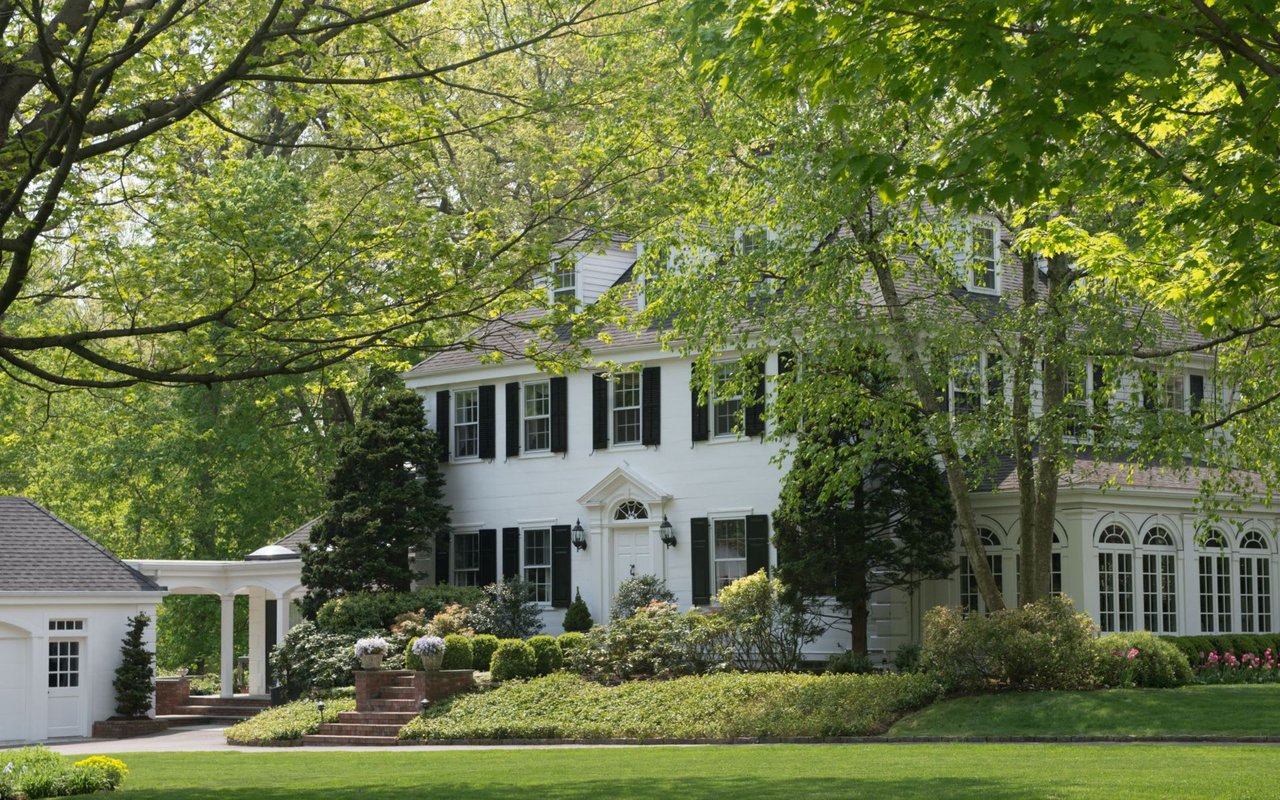
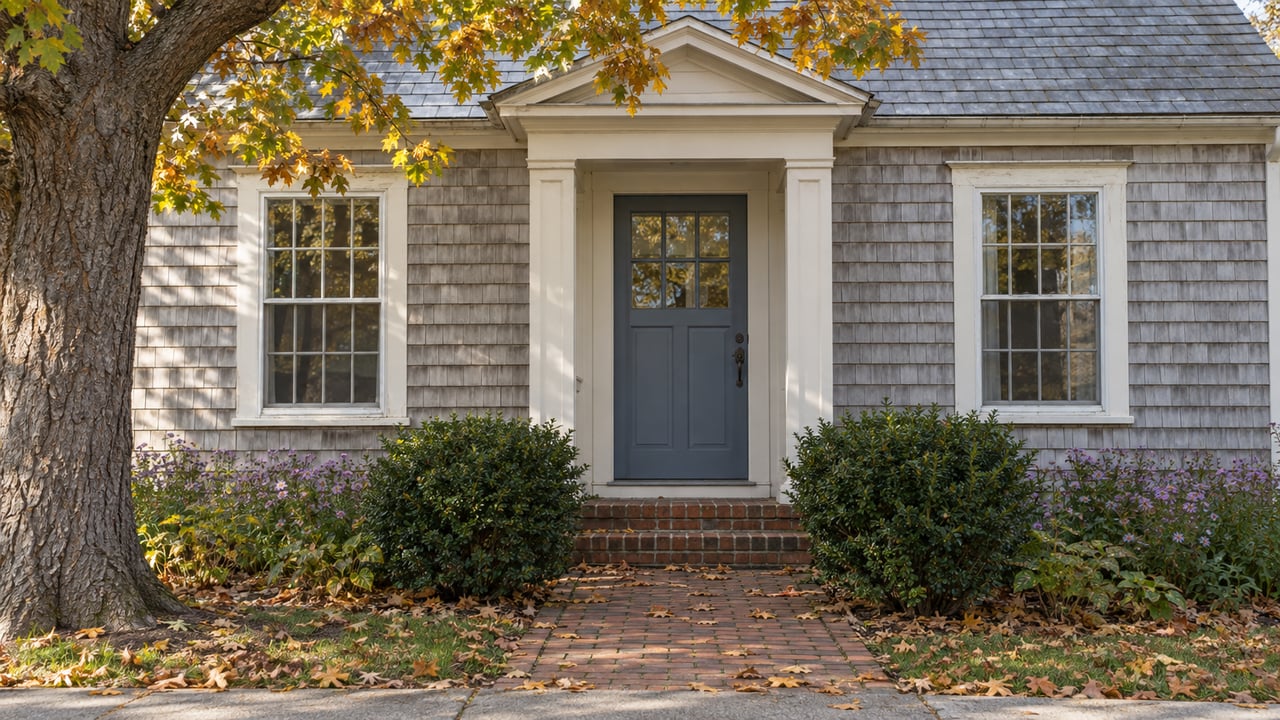
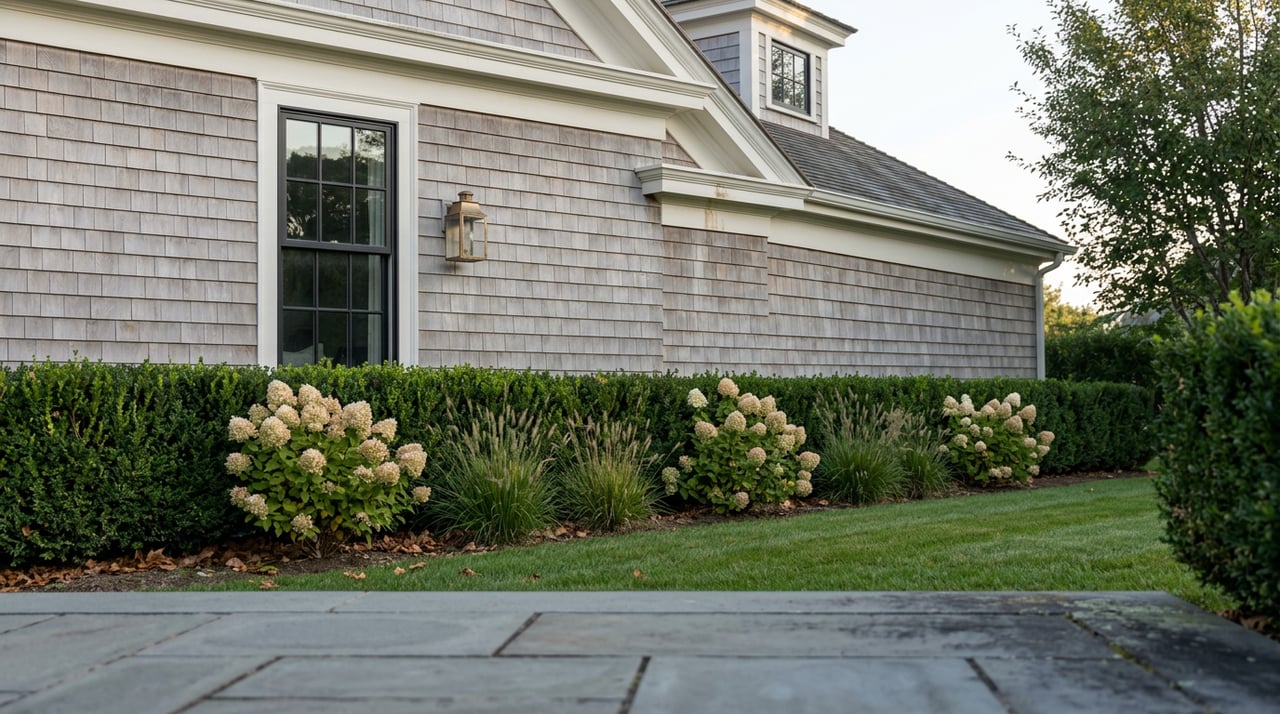
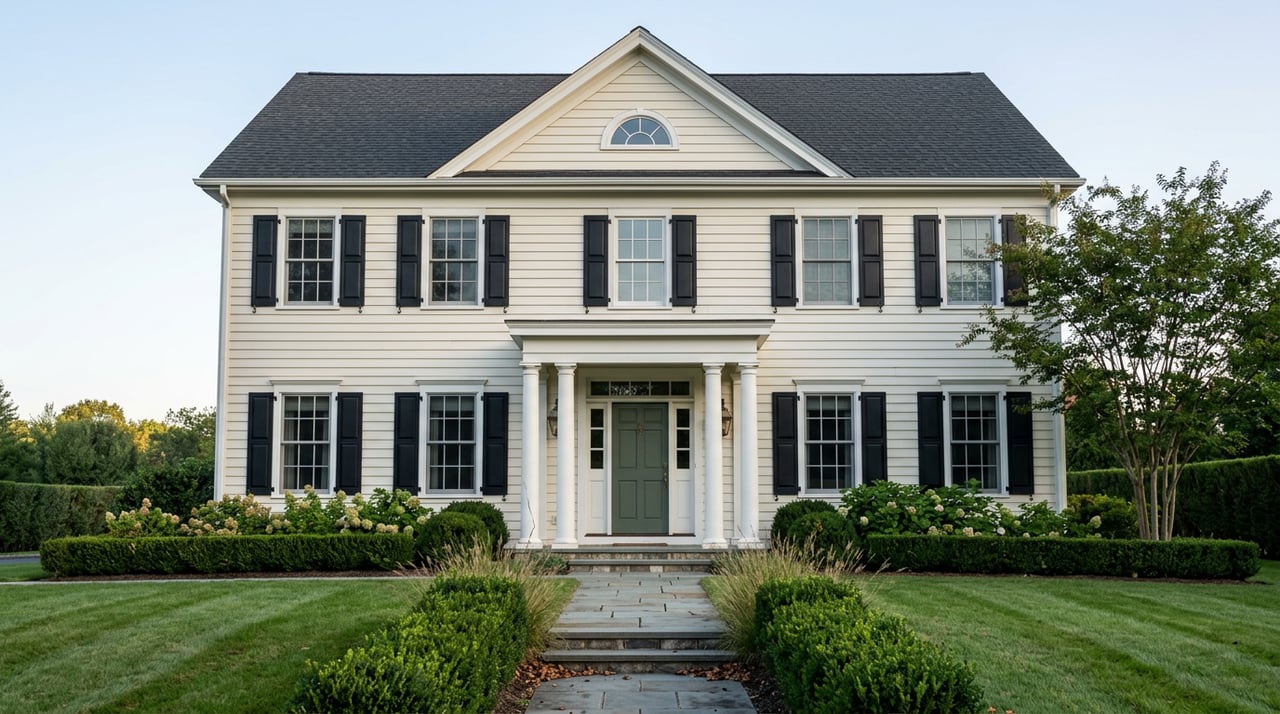
This part of Stony Brook is not dominated by one subdivision model. Listing examples in and around the core show shingled colonials, older colonials from the 1930s, renovated waterfront homes from the 1920s, and houses that have been expanded or updated over time.
That means you should expect variety rather than sameness. If you are drawn to architectural character, older details, and homes with individual stories, this pocket may feel especially appealing.
What the lifestyle feels like
This area tends to fit buyers who want proximity to Stony Brook Village Center, the Long Island Museum, the grist mill, and harbor-edge recreation. It offers more of a walkable village feel than a newer subdivision feel.
The village center also serves as a practical anchor for errands and outings, with free parking listed in its directory. For many buyers, the appeal here is less about square footage efficiency and more about place, setting, and character.
Suburban neighborhoods near the station and university
South of Route 25A and closer to the university and station corridor, Stony Brook shifts into a more conventional suburban pattern. This is where many buyers find single-family homes with more standardized layouts, larger driveways, and a location that supports commuting and daily convenience.
The road pattern is straightforward. Route 25A acts as the main east-west corridor, Nicolls Road is the major north-south spine, and the Long Island Rail Road’s Stony Brook station on the Port Jefferson branch adds another commuting option.
University Heights
University Heights reflects this more practical side of the market. Recent listings there include homes on roughly 0.35-acre lots, with styles such as hi-ranches, colonials, and renovated homes from the 1960s and 1970s.
This pocket is close to Stony Brook University, Stony Brook Hospital, the station, shopping, and major roadways. If your priority is convenience and access rather than historic charm, this area may be worth a closer look.
The M Section
The informal M Section is another local pocket that comes up often in listings. Examples include colonials, ranches, hi-ranches, and larger single-family homes on tree-lined streets.
For many buyers, this signals a classic suburban neighborhood feel. Compared with the village core, homes here often offer more interior space and a more typical residential layout, without the same harbor or historic premium.
Low-maintenance and 55+ options
Not every Stony Brook buyer wants a large yard or an older house that may need ongoing updates. If you are looking for simpler upkeep, one-level living, or a community-oriented setup, there are a few distinct options to know.
These areas stand out because they offer a different ownership experience from the village core or traditional single-family streets. In Stony Brook, that can be a major advantage for downsizers or buyers who want convenience built into the property type.
Strathmore and Strathmore Gate
Strathmore at Stony Brook includes colonial single-family homes, while nearby Strathmore Gate offers attached 55+ condo-style units. Recent listings have included Cambridge Colonials in Strathmore and ranch-style condo units in Strathmore Gate.
Listings also point to features such as one-level living, clubhouse access, a pool, and a more maintenance-oriented ownership model. If you want less exterior upkeep but still want to stay in the Stony Brook market, these communities may deserve attention.
The Knolls
The Knolls is one of the clearest low-maintenance choices in Stony Brook. This 55+ community includes 180 ranch-style attached homes and amenities such as a clubhouse, salt-water heated pool, bocce, shuffleboard, a library, and a community garden.
Location is part of the appeal. The Knolls is positioned close to Stony Brook Village Center, Stony Brook University Hospital, and West Meadow Beach, which can make everyday routines and recreation easier to balance.
Waterfront, preserve, and scenic-edge living
If your vision of Stony Brook centers on open space, shoreline views, and a quieter setting, the western and northern edges of the hamlet may be the best fit. Around West Meadow, Harbor Road, and harbor-facing streets, the atmosphere becomes more scenic and less suburban.
This side of Stony Brook is shaped by public recreation and protected land as much as by housing. That helps explain why buyers here are often choosing the setting as much as the structure itself.
West Meadow and harbor-adjacent streets
Brookhaven identifies West Meadow Beach as a major public recreation asset, with beach access, a spray park, playground, volleyball court, walking trail, and environmental programs. Nearby, Avalon Nature Preserve on Harbor Road spans 216 acres and includes five habitats.
Current listings in these areas reinforce a clear pattern: waterfront or beach-rights homes near West Meadow, and larger harbor-adjacent colonials on streets like Christian Avenue. If privacy, scenery, and outdoor access sit high on your list, this section of the market can feel very different from interior suburban blocks.
Old Field Farm and open-space appeal
Old Field Farm is another important landmark for understanding this part of Stony Brook. Suffolk County says the 13-acre farm adjoins 88 acres of protected wetlands overlooking Long Island Sound and West Meadow Creek.
That context helps explain the appeal of nearby homes. In this part of the market, buyers are often drawn to the relationship between the home and the surrounding landscape, not just the house plan or lot size.
Larger-lot and wooded pockets
Some buyers want a middle ground between village activity and shoreline exposure. In Stony Brook, larger-lot and wooded pockets can offer that balance.
Areas such as Quaker Ridge and Forsythe Meadow tend to feel more private and more spread out. Listing examples include expanded colonials and Cape-style homes, often on larger lots than what you may find in more compact parts of the hamlet.
Forsythe Meadow is also identified by the county as preserved open space between shops, a horse farm, and a subdivision. That mix gives this part of Stony Brook a more buffered feel, which can be appealing if you want privacy without giving up access to the village and major roads.
What home styles you can expect
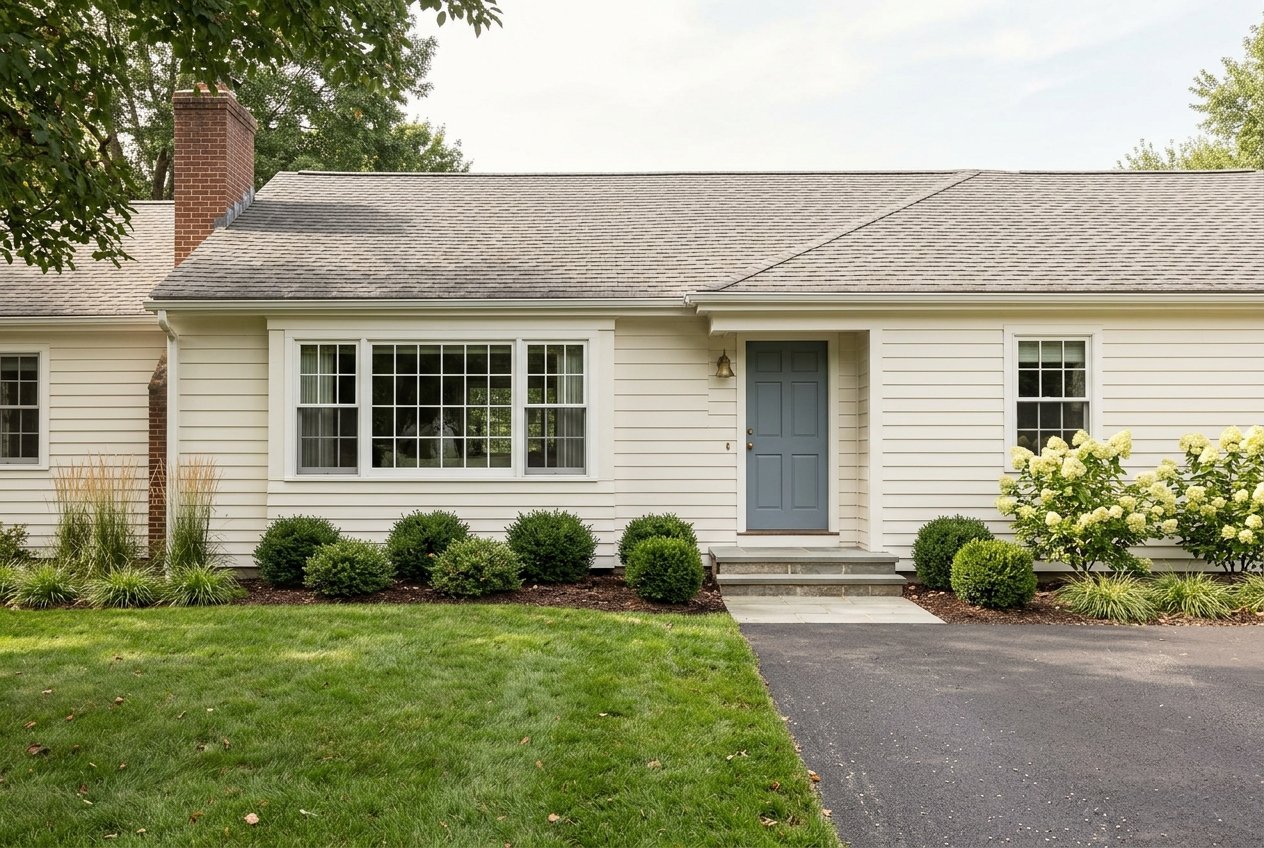
Across Stony Brook, the most common styles buyers will likely encounter include colonials, ranches, hi-ranches, expanded Capes, attached ranch-style homes, and condo-style residences. The key is that those styles are not spread evenly across the market.
A simple way to think about it is this:
- Historic core: older colonials, shingled homes, renovated period houses, and waterfront homes with character
- University and station corridor: 1960s- and 1970s-era homes, hi-ranches, colonials, and practical suburban layouts
- M Section and similar pockets: colonials, ranches, hi-ranches, and larger traditional single-family homes
- Strathmore, Strathmore Gate, and The Knolls: colonial single-family homes, attached ranch-style units, and 55+ condo-style or low-maintenance living
- Harbor and preserve edge: waterfront homes, harbor-adjacent colonials, and homes where lot, setting, and views play a major role
If you are searching online, this can save you time. Instead of asking only for a certain style, it helps to match the style to the part of Stony Brook where it most commonly appears.
How price tends to vary by area
Stony Brook’s market does not move as one flat price band. Redfin’s market page showed a March 2026 median sale price of $752,500, but current listing patterns suggest a wide range depending on property type and location.
In general, The Knolls and Strathmore Gate tend to sit in the lower-to-mid range for the area. University Heights and the M Section often fall closer to the middle, while village-core homes, harbor-edge properties, and larger-lot homes can move above the median and into the $1 million-plus range.
That is not a formal neighborhood-by-neighborhood price chart. It is a useful market pattern drawn from current examples and the broader Stony Brook market snapshot.
How to choose the right Stony Brook area
The best Stony Brook neighborhood for you depends less on the mailing address and more on the lifestyle you want. Before you tour homes, it helps to rank your priorities clearly.
Ask yourself:
- Do you want walkability to the village center and harbor-area landmarks?
- Do you want easier access to the station, university, hospital, and major roads?
- Do you prefer a low-maintenance or 55+ community?
- Do you want a wooded lot, more privacy, or shoreline access?
- Are you paying for historic character, interior space, convenience, or setting?
Once you answer those questions, the map starts to make more sense. Stony Brook is less about one “best” neighborhood and more about finding the right fit among several very different pockets.
If you want help narrowing down which part of Stony Brook matches your budget and goals, Kate Works can help you compare neighborhoods, understand local housing patterns, and search with more confidence.
FAQs
What are the main neighborhood types in Stony Brook, NY?
- Stony Brook is commonly understood as a mix of the historic village and harbor core, suburban areas near the station and university, low-maintenance and 55+ communities, and scenic shoreline or preserve-edge pockets.
What home styles are common in Stony Brook, NY?
- Buyers in Stony Brook will commonly see colonials, ranches, hi-ranches, expanded Capes, attached ranch-style homes, condo-style units, and older historic homes that have been renovated or expanded over time.
What part of Stony Brook, NY feels most walkable?
- The historic village and harbor core around Main Street, Christian Avenue, Harbor Road, and nearby streets is the part most closely associated with walkable village life and access to local landmarks.
Where can buyers find low-maintenance homes in Stony Brook, NY?
- Strathmore Gate and The Knolls are two of the clearest low-maintenance options in Stony Brook, with attached homes or condo-style living and community amenities.
What areas of Stony Brook, NY are closest to commuting options?
- Areas near the station and university corridor, including pockets south of Route 25A such as University Heights, tend to be closest to the Long Island Rail Road station, Nicolls Road, shopping, and Stony Brook University.
Are waterfront and scenic homes available in Stony Brook, NY?
- Yes. Homes near West Meadow, Harbor Road, and other harbor-facing streets often offer shoreline access, scenic surroundings, or proximity to preserves and open space.