Trying to choose between a home near Main Street and one closer to the harbor? In Huntington, that decision shapes far more than your view. It affects your budget, your commute, your parking routine, and how your weekends actually feel. If you are weighing waterfront versus village living in Huntington, this guide will help you compare the tradeoffs with local context so you can focus on the lifestyle that fits you best. Let’s dive in.
Huntington Living at a Glance
Huntington Village and Huntington’s waterfront areas offer two very different day-to-day experiences. The village is the town’s downtown core, with shops, restaurants, arts venues, and events concentrated in one central area. Waterfront living is spread across north-shore harbor and bay communities, where daily life is shaped more by access to beaches, marinas, docks, and water views.
The Town of Huntington highlights just how water-oriented the broader area is, with five harbors, nine beaches, three marinas, boat ramps, public moorings, and launch services. That backdrop creates a different rhythm from the village setting, where activity centers around Main Street, Gerard Street, entertainment venues, and year-round events. In simple terms, village life tends to be more walkable and social, while waterfront life tends to feel more private and tied to the shoreline.
Huntington Village Lifestyle
If you like the idea of stepping out for dinner, catching live music, or being closer to a compact downtown, Huntington Village may feel like the natural fit. The Town describes the village as a premier downtown destination, with attractions like The Paramount, Cinema Arts Centre, Huntington Arts Council, free concerts, and seasonal events. Many of the day-to-day conveniences are clustered in one place, which can make the area feel active and connected.
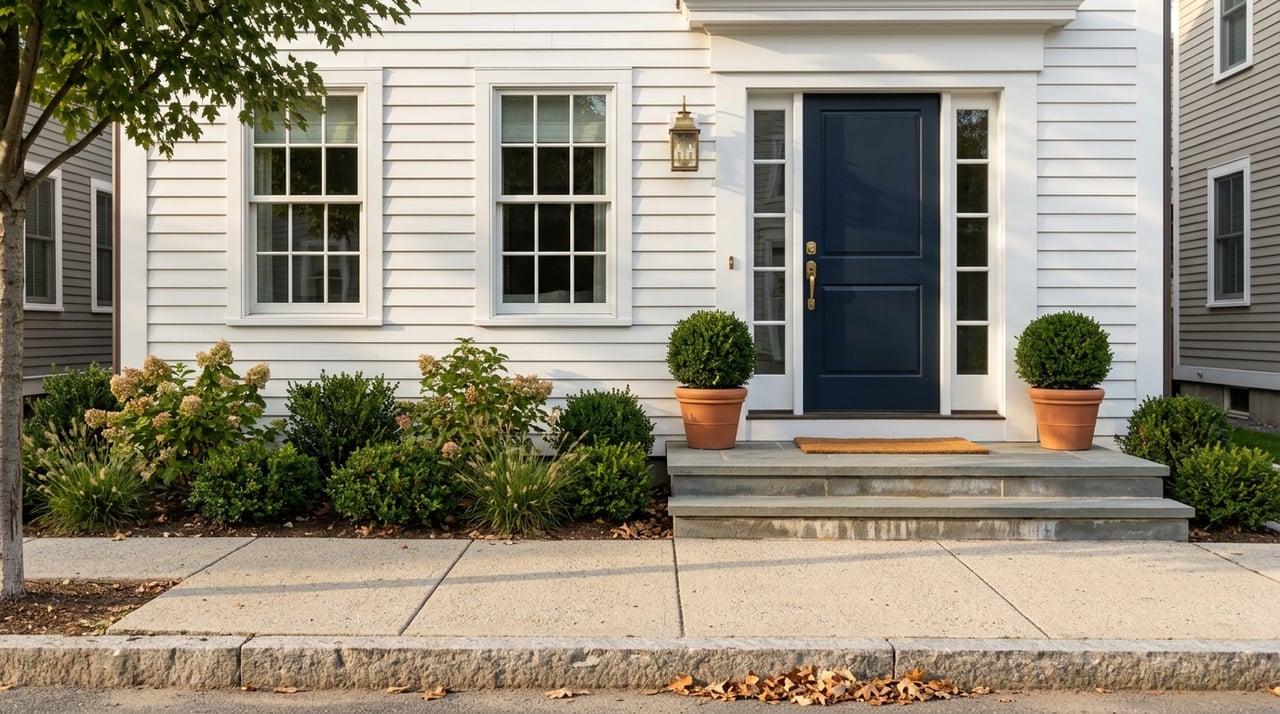
Housing in the village is also more varied. Recent examples include condo and townhouse options in the heart of the village, older character homes like a 1920s Craftsman, newer construction, and renovated single-family homes near restaurants, shopping, parks, and the harbor. That mix can give you more flexibility if you want to stay in Huntington but need different price points or property types.
For many buyers, the appeal is not just the location but the ease of use. You may be able to enjoy more of Huntington without getting in the car for every outing. That said, village living also comes with more shared infrastructure, more activity, and more parking rules to navigate.
Waterfront Lifestyle in Huntington
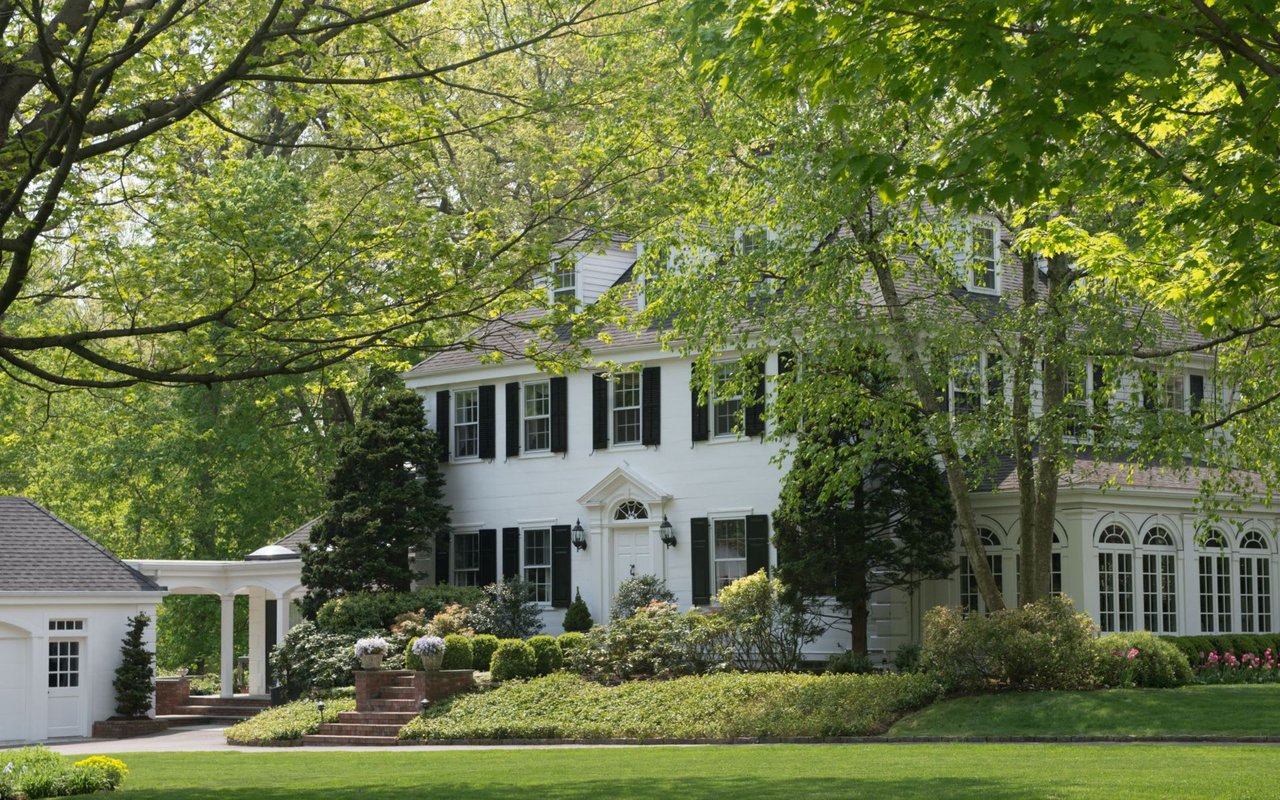
If your priority is privacy, water access, and a more tucked-away setting, Huntington’s waterfront communities may be a stronger match. Instead of one downtown center, waterfront living is spread across areas such as Huntington Bay, Lloyd Harbor, and Centerport. These areas often offer larger lots, water views, and a lifestyle tied more directly to the harbor and shoreline.
Town facilities and local listings point to what buyers are often seeking here: beaches, marinas, docks, boat ramps, moorings, launch services, and in some cases association-based amenities. Recent waterfront listings have also referenced features like mooring rights, beach association access, tennis, pickleball, private beaches, and summer camp access. Those details can shape both the feel of the property and the costs that come with ownership.
The housing stock also tends to skew larger and more customized. Recent examples range from Colonials and Hamptons-style custom homes to ranch and post-modern properties with bigger parcels and water-oriented settings. If you want a home that feels more removed from the downtown pace, waterfront areas often deliver that in a way the village cannot.
Comparing Home Prices and Property Types
One of the clearest differences between waterfront and village living in Huntington is the housing mix and price band.
Huntington overall remains a high-value market. As of January 2026, Zillow places the average Huntington home value at $873,534 and the median sale price at $931,333. That broader market context helps explain why the village can still offer some entry points under $1 million, while many waterfront properties move well beyond that.
Village price range
Recent village examples show a fairly broad spread:
- Townhouse sold for $600,000
- Renovated single-family home sold for $860,000
- 1920s Craftsman sold for $880,000
- New-construction home sold for $970,000
That range reflects one of the village’s biggest strengths. You can often choose from attached homes, updated smaller-lot properties, and a mix of old and new housing styles.
Waterfront price range
Waterfront inventory generally starts higher and rises quickly:
- Huntington Bay examples from about $1.2 million to $4.85 million
- Lloyd Harbor examples from about $1.28 million to $2.9 million
- Centerport average home value at $895,452, with waterfront listings reaching $1.249 million, $2.5 million, and $4.75 million
For many buyers, this means the waterfront choice is not just a style preference. It is also a budget decision. In most cases, you are paying more for larger parcels, custom features, water access, or views.
Commute and Daily Logistics
Your morning routine may feel very different depending on where you live.
Huntington Village offers easier access to the Huntington Long Island Rail Road station and downtown amenities, even if you still plan to drive part of the time. The station includes ticket machines, a waiting area, customer service hours, and connections to HART and Suffolk County Transit. If you commute regularly, those details matter.
Waterfront areas usually follow a car-plus-train pattern rather than a walkable commute. Based on the spread-out geography and recent listing details, buyers in harbor and bay settings often rely on private driveways, personal vehicles, and a drive to the station or highway. One waterfront listing described the Manhattan commute as a 55-minute LIRR ride or a 45-mile drive via the Long Island Expressway.
If your schedule depends on frequent train access, village living may simplify the process. If you work from home, commute less often, or are comfortable driving to the station, the waterfront may still work well.
Parking Differences to Know
Parking is one of those practical details that can quickly influence how convenient a location feels.
In Huntington Village, downtown meter parking is paid Monday through Saturday from 10:00 AM to 8:00 PM, with a three-hour limit. The current meter information also lists $1 for one hour in Huntington Village. For rail commuters, the Town requires weekday daytime permits for parking in commuter lots at the Huntington station.
Waterfront homes often handle parking very differently. Recent listings emphasize private driveways, garages, and multiple parking spaces. In day-to-day life, that usually means fewer public parking rules at home, though you may still drive more often for errands, dining, or commuting.
A small but useful village perk is the free trolley to and from the north station lot on event nights at The Paramount. If you enjoy concerts or entertainment downtown, that can make village outings easier.
Which Lifestyle Fits You Best?
Neither option is universally better. The right choice depends on how you want your daily life to work.
Huntington Village may fit you if you want:
- Walkability to dining, shops, and entertainment
- A more event-driven, pedestrian-oriented setting
- Access to condos, townhomes, and smaller-lot homes
- Easier station access and a more centralized layout
- A wider range of entry points below top-tier waterfront pricing
Waterfront living may fit you if you want:
- More privacy and space
- Water access or a harbor-centered lifestyle
- Larger lots and more custom home options
- Features like mooring rights or beach association access
- A quieter setting removed from the downtown core
In many cases, buyers choosing the village are prioritizing convenience and lifestyle density. Buyers choosing the waterfront are often prioritizing setting, privacy, and a stronger connection to the shoreline. There is overlap, of course, but those patterns show up clearly in the current housing mix and amenity distribution.
Questions to Ask Before You Decide
Before you choose between waterfront and village living in Huntington, it helps to think through a few practical questions:
- How often do you want to drive for everyday activities?
- Is train access part of your weekly routine?
- Do you want attached housing or only a detached home?
- Are you comfortable with parking meters and lot permits?
- Would you use water-access features enough to justify the price premium?
- Are there association dues, access rules, or amenity costs tied to a waterfront property?
These questions can help narrow your search faster than price alone. A home may look perfect online, but the surrounding lifestyle is what shapes how it feels once you live there.
Making the Right Move in Huntington
If you are deciding between the energy of Huntington Village and the privacy of the waterfront, the best next step is to compare real homes through the lens of your routine. Price, layout, and finishes matter, but so do commute patterns, parking, and how you want your weekends to feel.
That is where local guidance can make the process much easier. A clear side-by-side strategy can help you avoid touring homes that do not match your real priorities. When you are ready to explore Huntington with a steady, informed guide, Kate Works can help you narrow the options and move with confidence.
FAQs
What is the main difference between Huntington Village and waterfront living in Huntington?
- Huntington Village is the downtown core with concentrated shops, restaurants, arts, and events, while waterfront living is spread across harbor and bay communities focused more on beaches, marinas, docks, and water access.
What types of homes are common in Huntington Village?
- Huntington Village offers a mix of condos, townhouses, older single-family homes, renovated houses, and newer construction, giving you a wider range of property types and price points.
What types of homes are common in Huntington waterfront areas?
- Waterfront areas such as Huntington Bay, Lloyd Harbor, and Centerport tend to feature larger, more customized homes on bigger parcels, often with water views or water-access-related amenities.
Is Huntington Village or the waterfront more affordable?
- In general, Huntington Village offers more opportunities below $1 million, while waterfront properties commonly start above that level and can rise into the multi-million-dollar range.
How does commuting differ between Huntington Village and Huntington waterfront areas?
- Village living can offer easier access to the Huntington LIRR station and downtown destinations, while waterfront living usually follows a drive-to-station or drive-to-highway pattern.
Is parking easier in Huntington Village or Huntington waterfront areas?
- Village parking is more regulated, with paid meters and commuter permit rules, while waterfront homes more often rely on private driveways, garages, or association-based access.
Do Huntington waterfront homes sometimes include extra dues or access rights?
- Yes, some waterfront properties mention features such as beach association access, mooring rights, tennis, pickleball, or other amenities that may come with separate dues or rules.
Is Huntington Village a good fit if you want a walkable lifestyle?
- Yes, the village is generally the better fit if you want a more pedestrian-oriented setting with dining, arts, entertainment, and shops concentrated in one downtown area.