"When you flush your toilet, it doesn't just disappear, it goes all the way to Bergen Point."
As reported by Huntington Matters.
That's Huntington Deputy Supervisor John McCarron, explaining to residents at a spring 2026 community meeting why a wastewater pipe, not zoning or school boundaries, is the thing actually deciding where new housing can go in Huntington Station. It sounds like a throwaway line. It's the whole story.
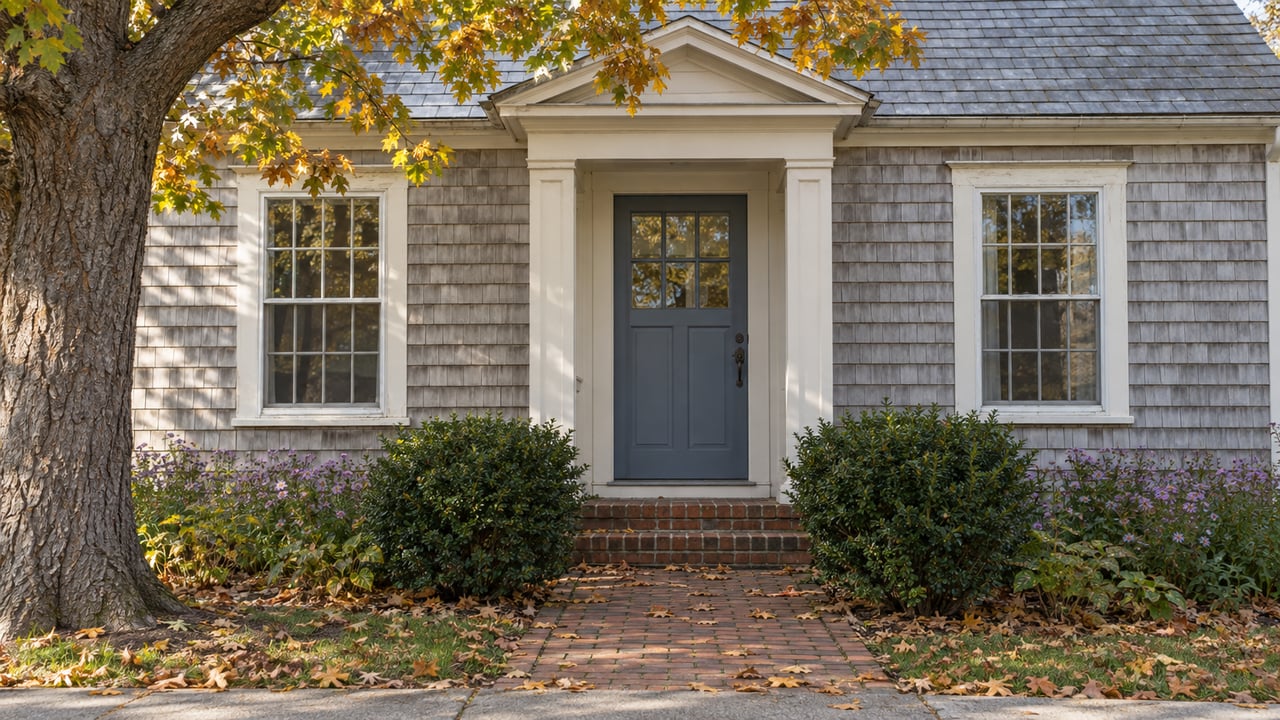
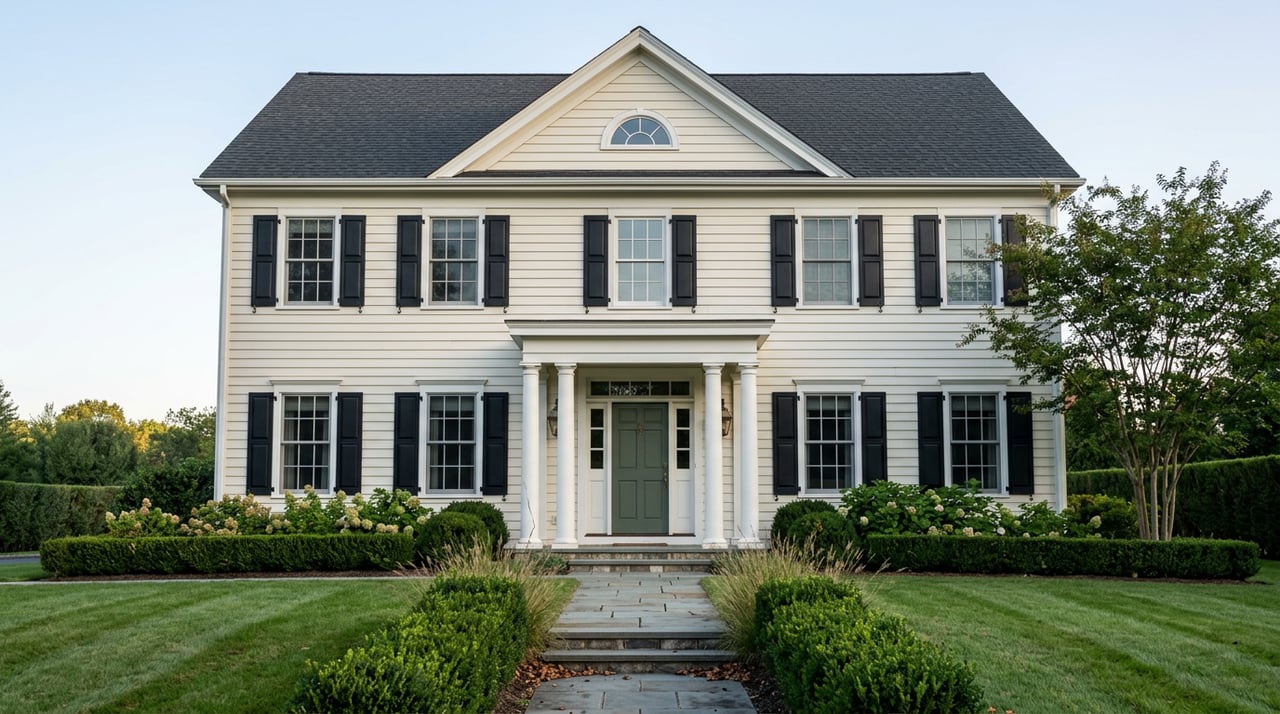
If you've started comparing homes in "Huntington, NY," you've probably noticed the listings don't agree with each other. A three-bedroom colonial near the train tracks lists for the mid-$600s. A similar-sized house a mile and a half away, closer to the harbor, lists for $950,000 or more. A waterfront property on Huntington Bay clears $3 million. Same town name. Different planets. Most buyers chalk this up to lot size or curb appeal and move on. That's a mistake, because the gap between these three Huntingtons isn't static. Right now, in 2026, a specific piece of public infrastructure is actively narrowing it, on a schedule you can look up.
Three Towns Wearing One Name
"Huntington" on a map search actually spans at least three distinct submarkets with their own pricing logic:
| Submarket | Recent Median Sale | Price per Sq Ft | Typical Days on Market |
|---|---|---|---|
| Huntington Station | $660,000 (3 months ending May 2026) | $455, up 20.1% year over year | ~29 days, around 5 competing offers |
| Huntington (village/hamlet core) | $917,000 to $978,000, depending on the boundary and the month sampled between April and July 2026 | $502 | 21 to 33 days |
| Huntington Bay (waterfront) | $3.1 million (3 months ending June 2026, thin sample size) | Not meaningfully comparable given the small number of sales | ~34 days |
That's not a rounding difference. That's a $300,000 to $2.4 million spread inside a single search term. And the submarket with the smallest price tag is also the one posting the fastest price-per-square-foot growth by a wide margin. Something is happening there that isn't happening in the village core or on the bay, and it isn't organic demand alone.
What $9.7 Million Is Actually Buying
In 2023, Governor Hochul's office named Huntington Station the Long Island winner of a $10 million Downtown Revitalization Initiative grant. That's not a vague promise. The state's announcement itemizes exactly where $9.7 million of it is going:
- $2 million to redevelop the Southgate site at 1264-1268 New York Avenue into a three-story mixed-use building with ground-floor commercial and apartments above
- $1.087 million to transform 1328 New York Avenue into The Concord, two three-story buildings combining workforce housing and retail
- $536,000 to build a secure outdoor children's learning garden at the Huntington Public Library's Station branch
- $4.675 million for streetscape improvements along New York Avenue between Depot Road and 9th Street, including new sidewalks, decorative lighting, and pedestrian-friendly crosswalks
- $600,000 for a small-business facade and renovation grant fund
- $802,000 for a pedestrian walkway connecting the LIRR station directly to New York Avenue
None of that money builds a single-family house. It builds the connective tissue, the sidewalks, the storefronts, the park space, that makes a corridor worth living near. Read against the pricing table above, the picture sharpens. Huntington Station's price-per-square-foot jump isn't coming from bigger lots or renovated kitchens. It's coming from a public bet that this specific stretch of New York Avenue is about to become more walkable, more amenity-rich, and more attractive to buyers who currently overlook it in favor of the pricier village core three miles away.
The Sewer Line Sets the Calendar
Here's where the story gets useful for anyone timing a purchase. Public money doesn't spend on its own schedule. According to a community update covered by Huntington Matters from an April 2026 town meeting, sewer work along New York Avenue was on track to wrap by the end of June 2026, clearing the way for streetscape construction to begin in July. New York State's paving work was scheduled for August through November 2026, which means as of this writing in early September, the corridor should be mid-paving right now. Sidewalks and lighting installation are expected to continue into 2027.
The reason the order matters so much is the reason McCarron gave at that meeting: development and redevelopment in this corridor are largely gated by Suffolk County sewer capacity, not by what a developer wants to build. Once the state paves New York Avenue, the street can't be reopened for construction work for five years. That means every piece of underground infrastructure had to be finished before the asphalt goes down, or the project waits half a decade. For a buyer weighing whether to purchase now or wait for the corridor to "finish revitalizing," this is the actual answer: the underground work already met its deadline this summer, the surface work is happening under your feet this fall, and the storefront and housing buildout it enables will keep unfolding well past 2027.
A Decade-Long Run-Up, Not a Sudden Boom
It's worth resisting the instinct to treat 2026 as the starting gun. Huntington Station's revitalization has been grinding forward for more than a decade. The first concrete result of the broader plan was the Northridge apartment building at Northridge Street and New York Avenue, 16 one-bedroom units over 6,500 square feet of retail, which celebrated its ribbon-cutting in May 2017. The following year, a proposal to shift the unit mix at the planned Gateway Plaza development, from mostly studios to more two-bedroom apartments, drew public objection at a town board meeting, a reminder that these plans move through real friction, not a straight line from announcement to completion.
That history matters for how you read the current $9.7 million. This isn't a fresh idea that might not pan out. It's the latest, best-funded chapter of a project that has already delivered at least one finished building and survived at least one public fight over what gets built. The current sewer and streetscape work is the infrastructure layer that the earlier, smaller apartment projects were missing. That's a meaningfully different risk profile than a brand-new revitalization pitch with no track record.
What This Means If You're Comparing Huntington to Huntington
If you're cross-shopping listings labeled "Huntington," ask which of the three submarkets you're actually looking at before you compare prices. A $660,000 house in Huntington Station and a $950,000 house in the village core aren't competing offers on the same product. They're different products at different points in a public investment cycle. If your priority is walkability to a revitalizing downtown with new sidewalks, lighting, and a direct pedestrian connection to the LIRR platform, Huntington Station is where that specific, funded transformation is happening on a schedule you can track. If your priority is the more built-out village core with its longer-established retail and restaurant footprint, or waterfront access on Huntington Bay, you're paying for a market that isn't waiting on a sewer project to finish.
Either way, the median price you see in a portal search is an average of markets that don't behave alike, and in Huntington Station's case, a market that's actively repricing itself in front of you.
A Few Questions Worth Answering Directly
Does the price gap mean Huntington Station is undervalued? It means the market is already pricing in expected change, evidenced by that 20.1% year-over-year jump in price per square foot while the streetscape and paving work is still underway rather than finished. Whether that continues depends on how the rest of the 2026-2027 construction phases actually land, not on the DRI announcement alone.
When does the New York Avenue work actually finish? The underground sewer work was targeted for completion by the end of June 2026, and streetscape construction and state paving were scheduled to run through November 2026, meaning that phase is active right now. Sidewalk and lighting elements are expected to continue into 2027. Treat any timeline beyond that as a projection, not a promise.
Is Huntington Bay part of the same market as the rest of Huntington? Only in the sense that it shares a mailing address. With a recent median sale near $3.1 million on a small number of transactions, it trades more like a distinct luxury waterfront pocket than an extension of the village or station markets.
Comparing homes across a town this layered takes more than a median price and a map pin. If you're trying to figure out which version of Huntington actually fits what you're looking for, and when the timing on New York Avenue's construction calendar might work in your favor, Kate Works can walk you through it hamlet by hamlet. Start your Long Island home search when you're ready to see the difference for yourself.