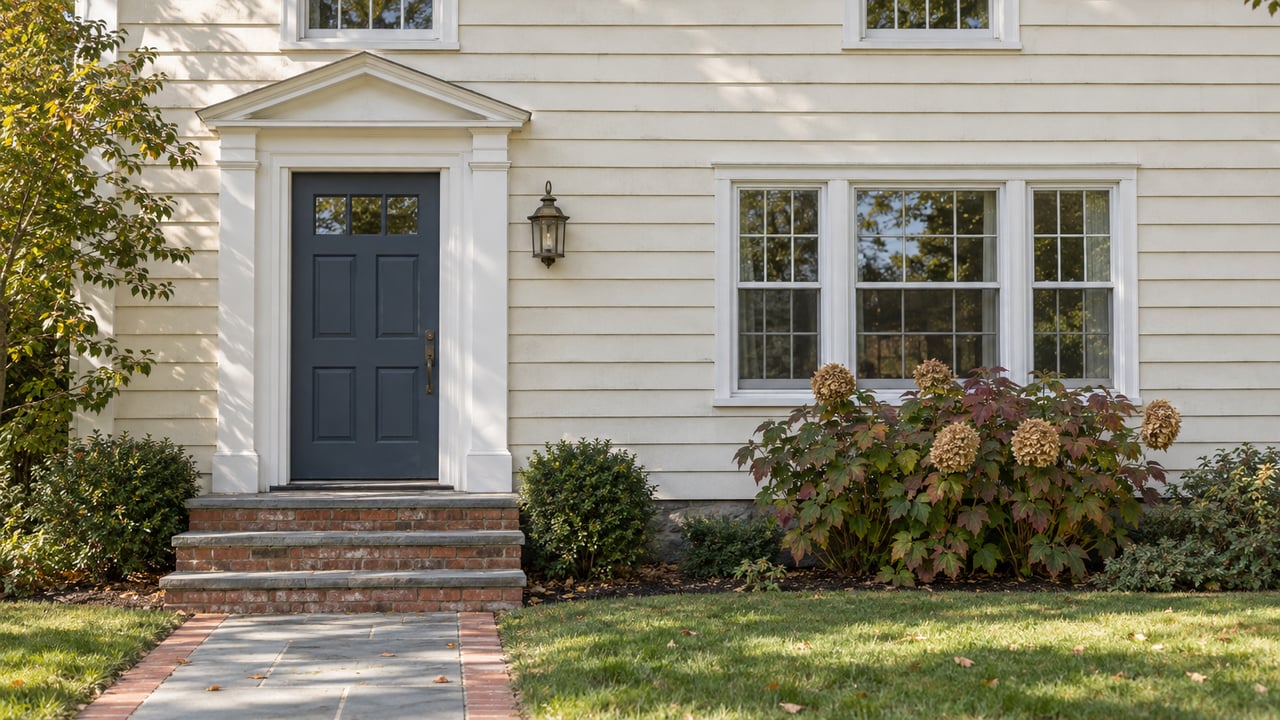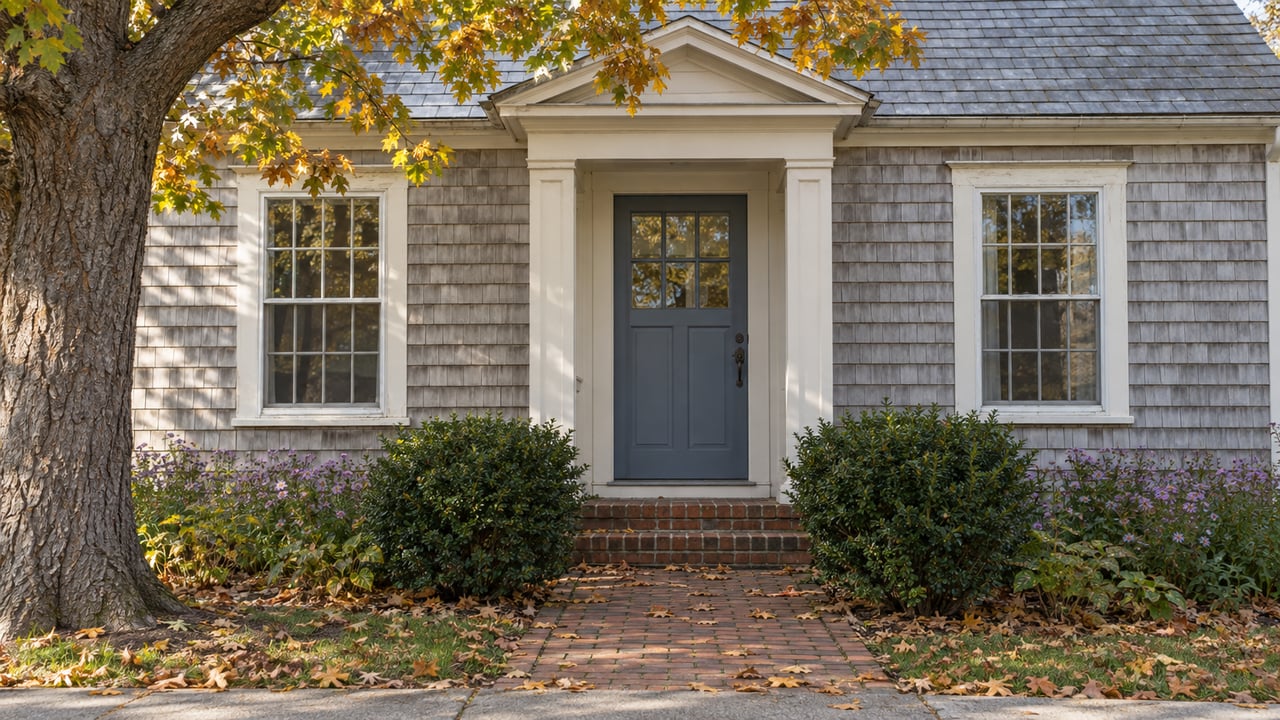
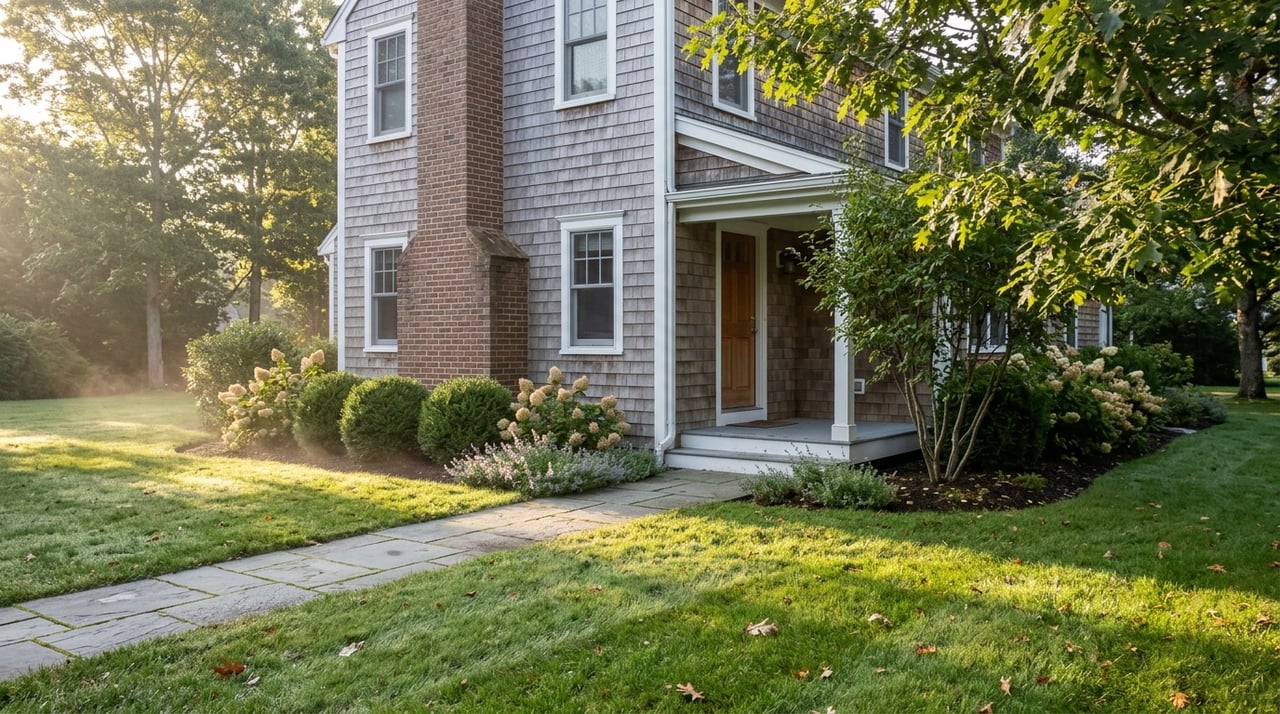
Walk Main Street in the Smithtown Business District this year and you'll see fresh asphalt, new curb cuts, and restaurants that finally don't have to ration their seating around a septic tank's capacity. The sewer expansion that broke ground there in the summer of 2023 reached substantial completion in late 2025, with final paving and road restoration wrapping up by mid-2026. Walk two blocks off Main Street into the surrounding neighborhoods, though, and the ground under most houses hasn't changed at all. The same postwar homes that have sat there since the 1950s and 60s are still connected to the same cesspools that came with them.
That gap between a modernized commercial corridor and an unsewered residential township is the thing to understand before you list a house here or write an offer on one. Smithtown's market is moving fast on paper. Underneath specific transactions, it isn't moving evenly at all.
The number everyone quotes, and what it hides
As of June 2026, Smithtown's median sold price stood at $807,500, with roughly 2.56 months of housing inventory on the market. Anything under three months of supply favors sellers, and homes here were closing that gap by selling at a median of 105.2 percent of list price in a median of 23 days.
Those figures get repeated in every market update because they're easy to quote and they tell a clean story: hot market, competitive bidding, fast closings. The 23-day median does not show the wastewater system or condition at any individual property.
Two housing stocks, one township
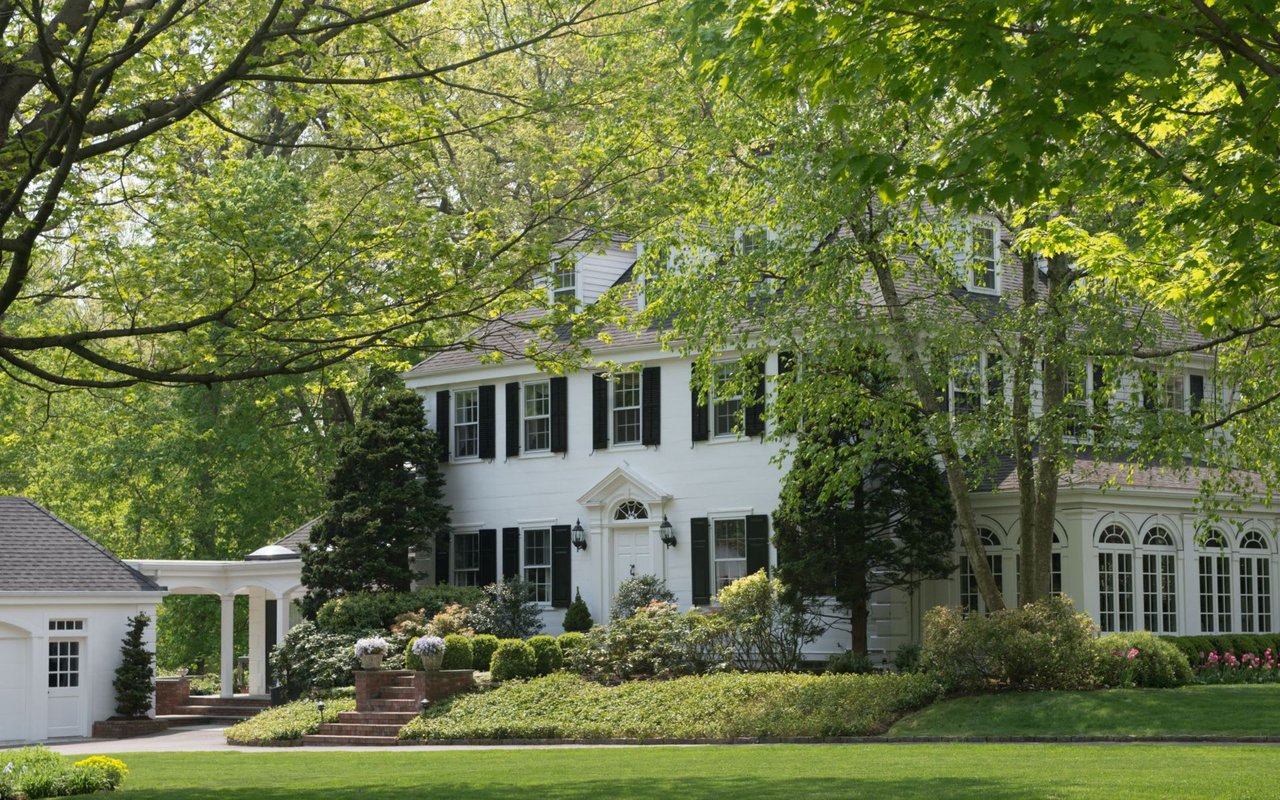
Smithtown grew in distinct waves, and the wastewater infrastructure under each wave reflects when it was built. The older, established sections closer to Smithtown Village and Kings Park lean heavily on legacy cesspool rings, the kind of pit-and-gravel systems that were standard before septic tanks became the norm. Newer development toward Nesconset is more likely to sit on full septic systems with a tank and a proper leach field. Neither pattern is absolute, and every lot has its own history, but the general split is well known to the plumbers and septic contractors who work the township every day.
The distinction matters more than it used to because Suffolk County changed the rules. Suffolk County's Sanitary Code, Article 6, was amended in 2019 to end a longstanding practice: when a cesspool fails, you can no longer simply install another cesspool in its place. The replacement has to be a septic system at minimum, and in many cases the county requires an Innovative and Alternative Onsite Wastewater Treatment System, an I/A OWTS, engineered to reduce the nitrogen that ordinary cesspools send straight into the ground. That nitrogen matters here specifically because the Nissequogue River runs north through the township and empties into Smithtown Bay, which the county has designated a nitrogen priority water.
A cesspool that fails in Smithtown today doesn't get swapped for a new cesspool. It gets redesigned, permitted, and often re-engineered around a treatment standard the original system was never built to meet.
That single regulatory shift is the reason a 1962 cape in an older section of town carries a different closing risk profile than a 1998 colonial in Nesconset, even if both are listed at the same price and both get multiple offers in the same week.
What actually happens at the inspection table
A buyer's home inspector on Long Island will typically flag the septic or cesspool system for a specialist evaluation rather than assess it directly. That specialist inspection usually starts with a camera run through the lines, which runs somewhere between $200 and $400. If the camera shows a functioning system with normal wear, the transaction moves on. If it shows a cracked tank, a saturated leach field, or a cesspool nearing the end of its working life, the conversation changes fast.
Here's where the math gets uncomfortable for a seller who didn't see it coming. A full nitrogen-reducing replacement system in Suffolk County typically runs $15,000 to $30,000 installed. That's not a credit at closing that quietly comes out of a spreadsheet. It's a number large enough to reopen price negotiations, delay a mortgage commitment while an engineer draws up a design, and in some cases push a closing date by weeks while permits move through the county health department.
Compare the two paths a Smithtown seller can take:
| Approach | Typical cost | Typical outcome |
|---|---|---|
| Pre-listing camera inspection | $200 to $400 | Documented system condition before an offer is even accepted |
| System fails during buyer's inspection, no prior documentation | Full replacement, $15,000 to $30,000, plus permit and engineering time | Renegotiation, delayed closing, or a lost buyer |
The seller who pays for the camera inspection before listing isn't just buying peace of mind. They're buying control over when a $20,000 conversation happens, and whether it happens on their terms or the buyer's.
The grant that doesn't move at contract speed
Suffolk County's Septic Improvement Program exists specifically to soften that cost. The base grant, run through the Reclaim Our Water initiative, has historically covered up to $10,000 toward an approved I/A OWTS installation, with an additional allowance for a pressurized shallow drainfield bringing the county total closer to $11,000, according to the Town of Smithtown. According to Suffolk Septic Pros, New York State funding can reimburse up to 75 percent of eligible costs on a nitrogen-reducing system, up to $25,000. That state money is part of a larger commitment: Governor Hochul's office announced $255 million in state water infrastructure grants statewide, with $20 million of that specifically earmarked for Suffolk County to address failing septic systems and cesspools.
That's real money. It's also money that doesn't move at the speed of a real estate contract. The county reviews and approves awards on its own calendar, not the buyer's mortgage contingency deadline. A seller who discovers a failing system three weeks before closing doesn't have time to apply for and receive grant funding before the deal needs to close. A seller who gets a camera inspection six months before listing has time to explore whether the property might qualify, and to fold that into pricing strategy either way.
What this means if you're on either side of the table
If you're selling an older home in Smithtown, Kings Park, or one of the township's other established pockets, a pre-listing septic or cesspool inspection can help identify potential system issues before the property is listed. If the system checks out, you list with documentation that removes a buyer's biggest source of hesitation. If it doesn't, you can learn about it before a buyer's inspection later in the process.
If you're buying, ask early whether the specific property has a septic system or a cesspool, when it was last serviced, and whether any camera inspection documentation exists. In a market moving at 105 percent of list price, sellers with clean documentation have real leverage. Buyers who ask the right question before they write an offer avoid discovering the answer during attorney review.
A couple of things worth clarifying
Does the Main Street sewer project mean my house is getting sewers too? Not automatically. The expansion connects the Smithtown Business District, the commercial corridor, to municipal sewer service. Residential parcels outside that district remain on private systems unless a separate expansion is approved and funded for that area.
How do I find out if my system is a cesspool or a septic tank? Age is a rough guide, since cesspools predate the shift to septic tanks as the standard, but the only reliable way to know is a camera inspection or a records check with the property's service history. Guessing based on the neighborhood alone isn't a substitute for documentation, especially with a sale on the horizon.
The headline market numbers in Smithtown are real, and they favor sellers right now. A property's wastewater system is one important part of preparing for a sale or purchase, so buyers and sellers should account for its condition as they plan next steps.
If you're weighing a sale in Smithtown or comparing it against Kings Park, Nesconset, or the rest of the North Shore corridor, Kate Works can walk you through what a pre-listing inspection actually costs, whether your property might qualify for grant funding, and how to price a home accurately once that groundwork is done. Start your Long Island home search today.
This article is general information, not legal, tax or financial advice. Consult a qualified professional about your situation.