Trying to choose between a classic Colonial and a practical split-level in Huntington can feel like two good options pulling you in different directions. You want space that works for your routines, a smart long-term investment, and a home that fits your commute and school needs. In this guide, you’ll learn how each style typically lives, what renovations are realistic here on the North Shore, and how to evaluate resale potential and inspection priorities. Let’s dive in.
Colonial basics in Huntington
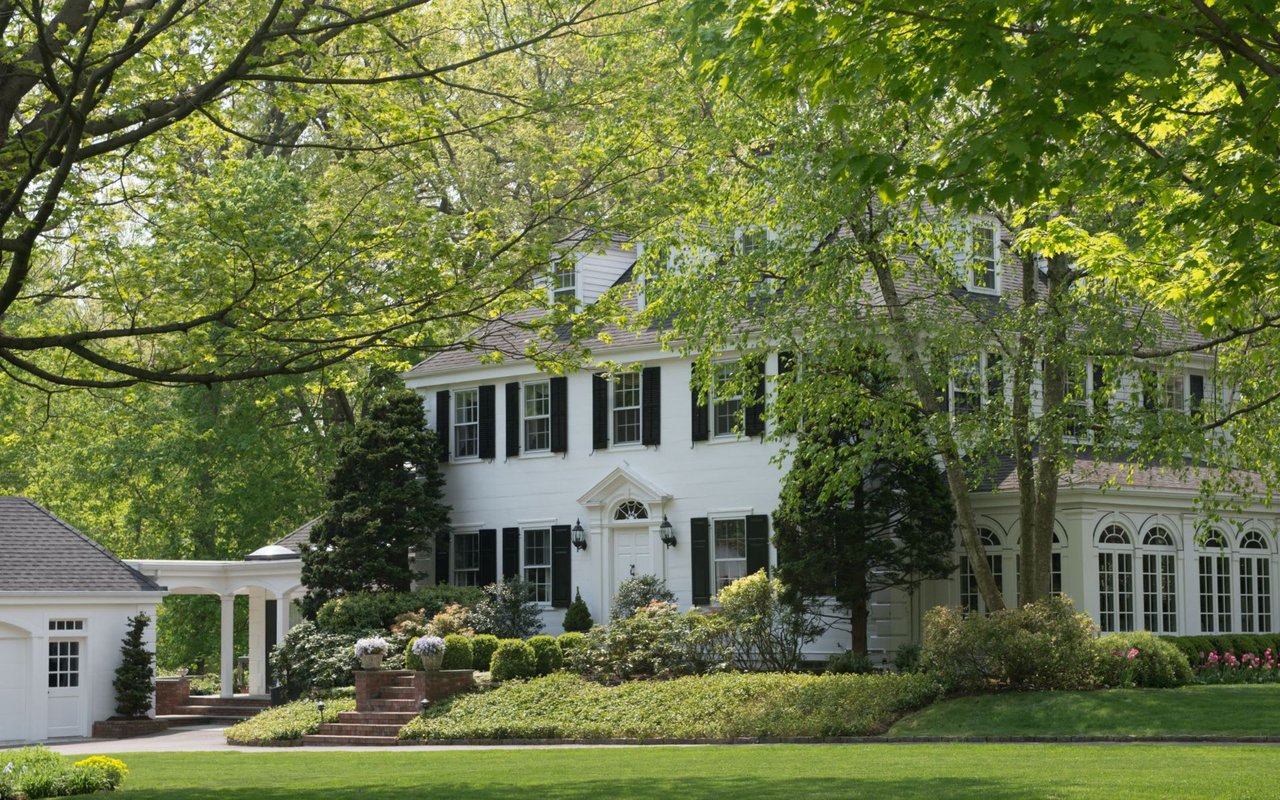
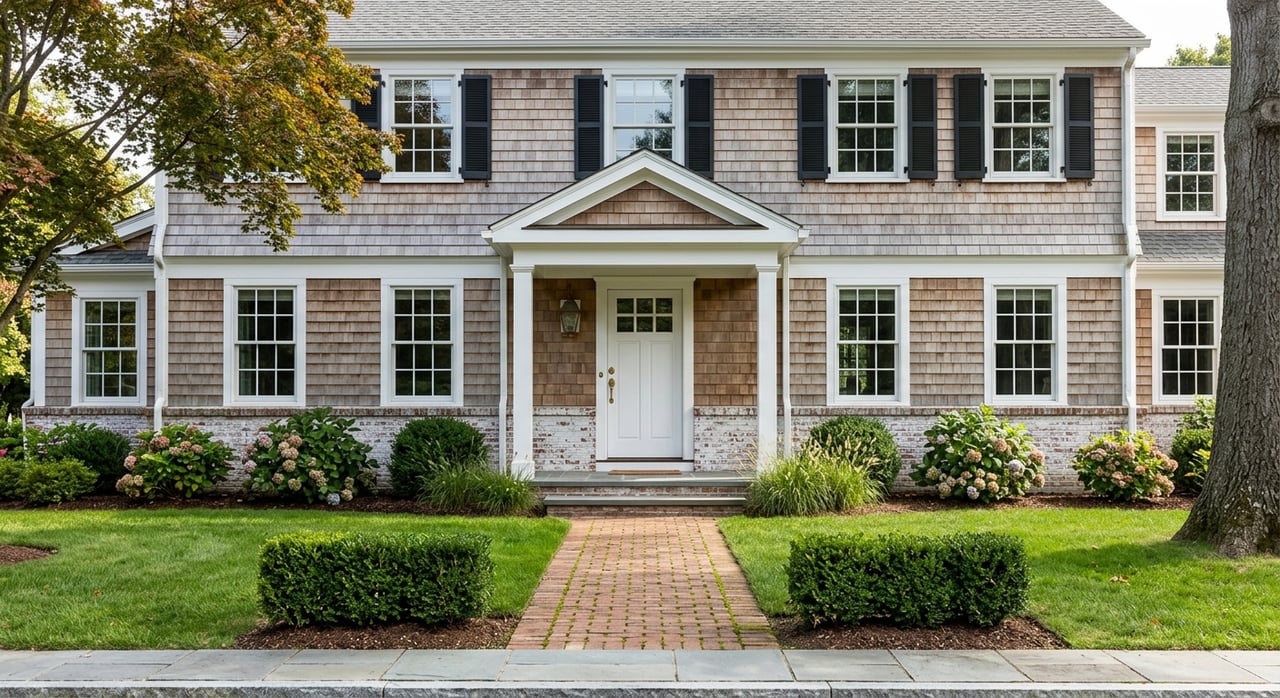
Colonials are common near historic village centers like Huntington Village and Cold Spring Harbor, as well as in established neighborhoods throughout the Town of Huntington. You’ll usually see two full stories above grade, a symmetrical exterior, and a center hall.
- Typical layout: formal living and dining rooms on the main floor, a separate kitchen at the rear, and bedrooms grouped upstairs. Many have an attic and a full basement.
- Family advantages: clear separation of public and private spaces, abundant storage, and straightforward expansion options. Single flights of stairs are usually easier for daily circulation than multiple short runs.
- Limitations: older Colonials can have closed kitchens and smaller baths by modern standards. Bedroom access is via stairs, so single-floor living is limited without modification.
Split-level basics in Huntington
Split-levels are common in post-war subdivisions from the 1950s to 1970s, especially a bit farther from village cores. They use staggered levels to maximize square footage on a moderate footprint.
- Typical layout: entry at a mid-level, short stairs up to bedrooms, and short stairs down to a family room or garage level. The kitchen and living room often sit on the mid-level.
- Family advantages: informal zones for daily life, with a lower-level family room that can be a natural kid or media space. Purchase prices can be lower per square foot than similar Colonials in some neighborhoods.
- Limitations: segmented flow makes large open plans harder to achieve. Multiple short stair runs can be tricky with strollers or for aging in place, and lower-level ceiling heights may limit finishing potential.
Lifestyle fit and daily flow
Separation and privacy
- Colonial: You’ll get strong separation between entertaining on the main level and sleeping upstairs. This suits routines that value quieter bedroom zones.
- Split-level: You’ll get informal separation between levels. The lower family room feels distinct without being far away from the main living area.
Stairs and mobility
- Colonial: One main staircase is standard. It is straightforward for kids but not ideal for single-floor living.
- Split-level: Several short stair runs connect the house. This can be convenient for quick up and down movement, but it adds stair frequency.
Storage and expansion
- Colonial: Attics and full basements are common, which helps with storage and future expansions like dormers or finished basements.
- Split-level: Storage varies. Many have a garage and lower-level space, but ceiling heights and mechanical runs can constrain finishing.
Outdoor living and lots
- Colonial: Larger lots are common in parts of the North Shore. Lateral additions are often feasible if zoning and setbacks allow.
- Split-level: Many subdivisions offer usable yards for play and gathering. Check grading, drainage, and pool or addition potential.
Commute and location
- Location drives value on Long Island. In Huntington, proximity to the LIRR, major roads, and village amenities matters for both styles. Waterfront and near-water locations command premiums regardless of architecture.
Renovation and permitting in Huntington
Permits, zoning, and septic
- The Town of Huntington regulates setbacks, lot coverage, and floor area. Additions, dormers, garage conversions, and exterior changes need permits. If the property is in a historic or coastal area, expect additional rules.
- Confirm whether the home is on sewer or septic. Much of Suffolk County uses septic systems that have their own permitting and replacement requirements.
- Coastal or near-wetland properties may require stormwater and erosion control compliance for larger projects.
Colonial renovation paths
- Opportunities: open up parts of the main floor, modernize or expand a rear kitchen, finish the basement, add dormers, or build a lateral addition if the lot allows.
- Constraints: central load-bearing walls and original chimneys often require engineered beams for reconfiguration. Historic districts may require preservation of certain finishes. Older mechanical and electrical systems may need full updates.
- Popular upgrades: kitchen and bath modernization, finished basements with proper egress, and HVAC updates that can include high-efficiency heat pumps.
Split-level renovation paths
- Opportunities: rework the mid-level for a more open feel, update the lower-level family room, convert a garage, or combine bedrooms to create a primary suite.
- Constraints: staggered floors complicate large open plans. Lower ceiling heights limit basement conversions unless you dig down, which is costly. Mechanical runs can be scattered across levels, making whole-house HVAC upgrades more complex.
- Structural note: many split-levels depend on shear walls and short spans, so significant re-framing may be needed for big changes.
Energy, systems, and incentives
- Across both styles, priorities often include insulation, window upgrades, air sealing, modern HVAC, and electrical service upgrades to 200 amps. These improve comfort and operating costs.
- Incentives are available through New York State and federal programs for insulation, heat pumps, and other energy efficiency work. Check current NYSERDA and local program rules before you plan.
Cost drivers to expect
- Kitchen and bath remodels and HVAC replacements are common and vary widely in cost depending on scope and finishes. Obtain multiple local estimates.
- Structural changes, floor-level alterations, and foundation or drainage work add significant cost and time. Plan contingencies.
Resale and pricing in Huntington
What drives demand
- In the North Shore market, location often outweighs style. Proximity to village centers, school district fit, and waterfront access can add premiums for both Colonials and split-levels.
- Well-maintained Colonials with preserved or thoughtfully updated period details often draw buyers who appreciate traditional style.
- Updated split-levels with functional family spaces can be strong value plays and attract buyers seeking more house and yard within budget.
Which sells faster
- There is no single rule. In higher-end pockets, updated historic Colonials tend to retain broad appeal. In mid-price subdivisions, refreshed split-levels with finished basements often sell quickly to growing families.
High-impact updates
- Kitchen and primary bath improvements that deliver function and modern finishes.
- Adding a primary suite or an extra full bath for better daily usability.
- Finished basement space with legal egress and updated mechanicals.
- Energy efficiency improvements and modern HVAC that reduce monthly costs.
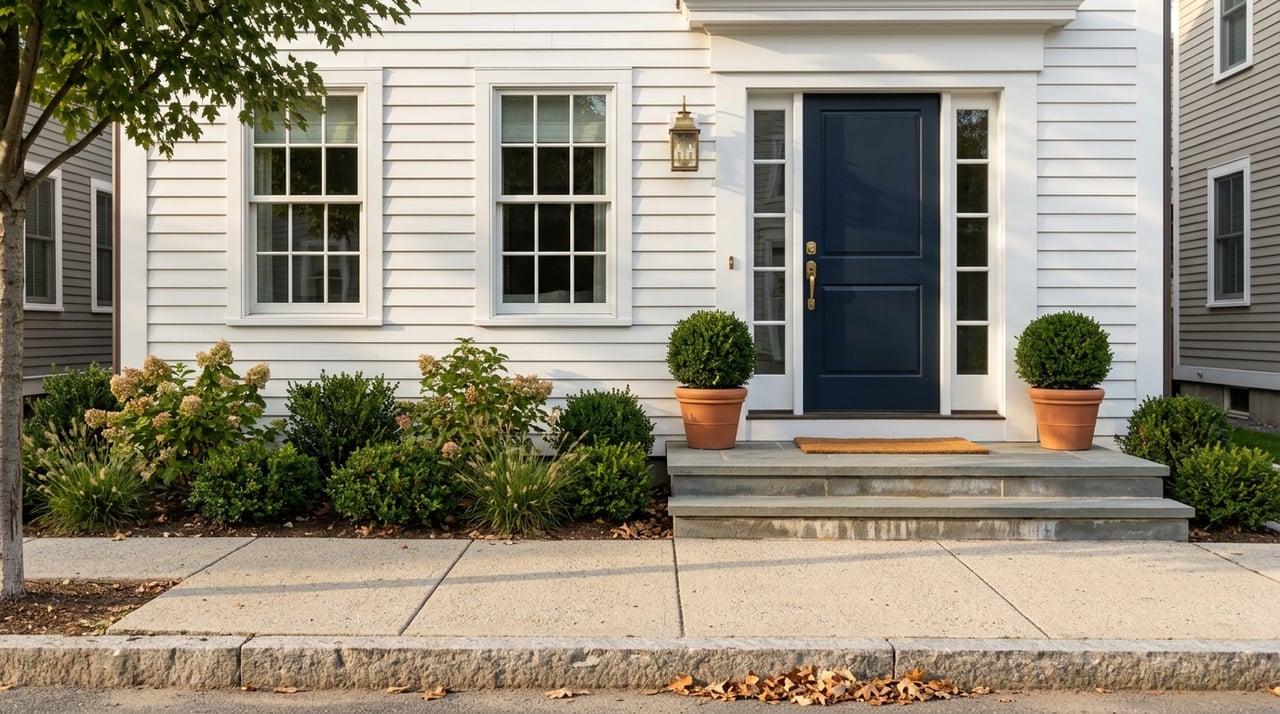
- Curb appeal updates including roof, siding, entry enhancements, and landscaping.
Budget the full cost
- When comparing a Colonial and a split-level, evaluate total usable finished square footage, the scope and cost of bringing each to today’s standards, and the lot’s potential.
- Factor Suffolk County property taxes into monthly housing costs. If a property is near the coast, consider flood insurance. Include sewer or septic implications in long-term budgets.
Touring checklist for both styles
Use this list during showings and when you request disclosures.
- Layout and flow: walk your daily routine. Where are drop zones, laundry, and play areas? Is the circulation comfortable for your family?
- Bedrooms and baths: count bedrooms and evaluate size and placement. Is there an en-suite or an extra full bath where you need it?
- Storage: confirm closets, attic or basement storage, and garage capacity.
- Basement and foundation: look for efflorescence, stains, musty odors, or settlement cracks. Ask about dehumidifier use and any water intrusion history.
- Systems: note the age and service records for heating, cooling, hot water, and electrical panel amperage.
- Roof and windows: check visible condition and age disclosures.
- Ceiling heights: verify lower-level heights in split-levels to ensure finishing is comfortable and compliant.
- Lot and drainage: assess grading, play space, mature trees, and distance from wetlands or flood-prone areas.
- Permits: ask for permit history for additions, conversions, or major renovations.
Next steps for Huntington buyers
- Confirm school district boundaries and commute times for specific addresses before you write.
- Verify sewer versus septic and any known easements or environmental constraints early.
- Plan inspection contingencies that match the home’s age and style, including foundation, moisture, electrical, heating, and septic where applicable.
- If you expect to renovate, consult a local contractor or architect during your evaluation period to validate feasibility, permits, and timelines.
- Estimate property taxes and insurance, and obtain flood insurance quotes if the home is in or near a flood zone.
- For authoritative data, consult the Town of Huntington Building Department for permits and zoning, Suffolk County property records for tax and parcel info, New York State Education Department for school reports, FEMA flood maps for zones, and NYSERDA for current energy incentives.
If you want a local perspective on how these trade-offs play out by neighborhood, reach out. With a steady, client-first approach supported by strong vendor partners, we help Huntington buyers compare options, estimate realistic upgrade paths, and move with confidence. Start your Long Island home search with Kate Works.
FAQs
What is the key layout difference between Colonials and split-levels in Huntington?
- Colonials have two full stories with bedrooms upstairs and formal rooms on the main level, while split-levels use staggered levels with short stairs between a mid-level living area, upper bedrooms, and a lower family or garage level.
Which style is better for a growing family in Huntington?
- It depends on priorities: choose a Colonial for separation of spaces, storage, and expansion potential, or a split-level for informal zones and potentially lower entry price with staged updates.
What should I watch for in North Shore basements during tours?
- Look for water signs like efflorescence or staining, musty odors, and settlement cracks, and ask about dehumidifier use, drainage, and any history of water intrusion.
How do renovations get approved by the Town of Huntington?
- Most additions, dormers, garage conversions, and exterior changes require permits that must comply with setbacks, lot coverage, and any historic or coastal rules, plus septic approvals where applicable.
Are split-levels typically less expensive than Colonials in Huntington?
- In many subdivisions, split-levels can offer a lower purchase price per square foot, but actual pricing depends on neighborhood, lot, condition, updates, and location features.
How do school districts factor into buying decisions in Huntington?
- Buyers commonly confirm district boundaries and performance using official resources and consider how the district aligns with their needs, since district fit can influence demand and pricing.
Do Huntington coastal homes require flood insurance?
- If a property sits in a designated flood zone, lenders usually require flood insurance, so it is wise to check FEMA maps and obtain quotes during your evaluation period.