Want to leave the car parked and still get through your day with ease? If you’re eyeing Huntington Village on Long Island’s north shore, you’re not alone. You want a neighborhood where coffee, errands, parks, and nights out are all a short walk away. In this guide, you’ll see what daily life on foot looks like, how locals balance walking with cars and trains, and what to consider when house hunting near the village core. Let’s dive in.
What “Huntington Village” means
Huntington Village generally refers to the compact, historic downtown in the Town of Huntington in Suffolk County, not far from Huntington Harbor and Heckscher Park. You’ll hear people use “Huntington,” “Huntington Village,” and nearby hamlet names like “Huntington Station.” These boundaries can affect parking, services, and zoning, so it helps to know that “village” here is a local nickname for the downtown core.
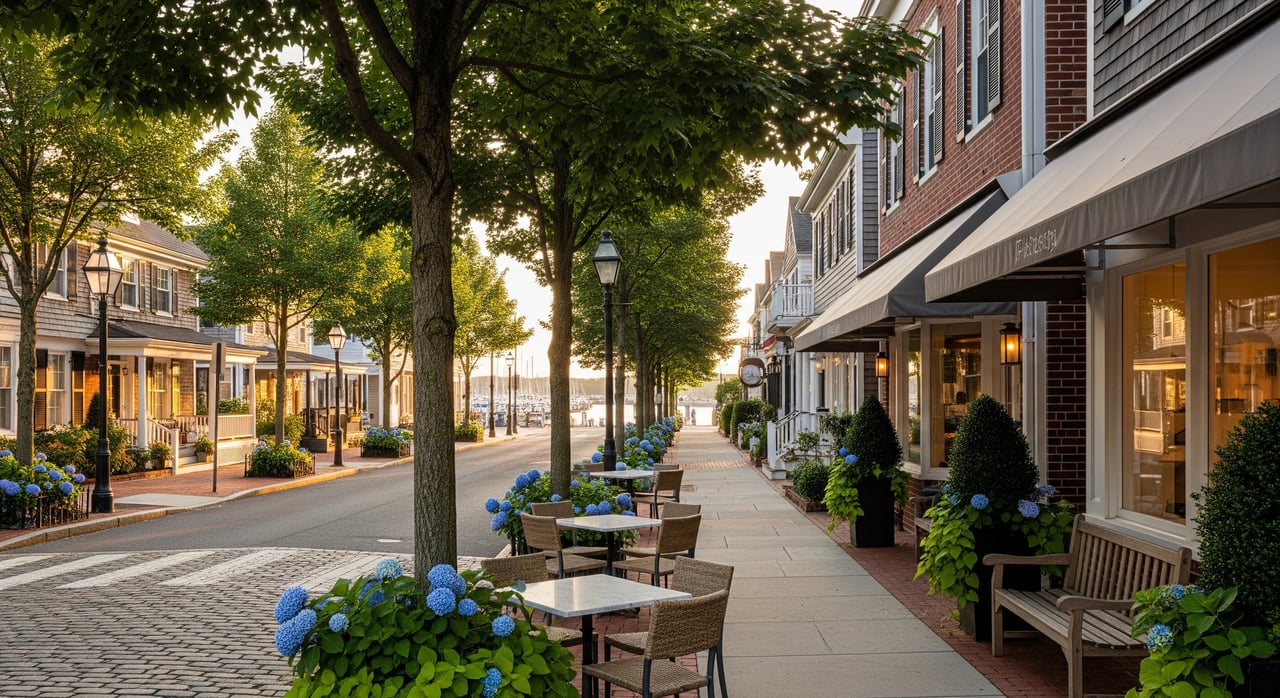
The heart of the district runs along Main Street and New York Avenue, with blocks of shops, restaurants, services, and arts venues. Sidewalks, crosswalks, and storefronts make the center feel pedestrian oriented compared with the surrounding suburban streets.
Errands you can do on foot
From a central village address, you can often take care of the basics within a 5 to 15 minute walk. Your exact convenience depends on your block, but everyday needs usually include:
- Food and coffee: cafes and breakfast spots along Main Street and nearby side streets, plus quick lunch options and sit-down restaurants.
- Groceries: a mix of supermarkets and smaller specialty grocers, bakeries, and delis near the core. For bigger stock-up trips, many residents still drive.
- Services: pharmacy, bank branches, the post office, and dry cleaners are in or just outside the business district.
- Health care: primary care, dental, and outpatient practices are near downtown. Larger hospitals or specialty care may require a short drive.
- Childcare and schools: some preschools and after-school programs sit close to the village. Public school sites are more dispersed, so confirm locations and routes for your situation.
Dining, arts, and nightlife on foot
Evenings are easy to plan without the car. Huntington’s culture includes live music and performance venues, local galleries, and an independent cinema. The Paramount is a popular draw for shows, and smaller stages and art spaces add variety. With restaurants and bars clustered in the core, you can meet friends, see a concert or movie, and walk home.
Parks, green space, and harbor walks
Heckscher Park anchors the outdoor scene with paths, a playground, and seasonal events like concerts, craft fairs, and farmers markets. Huntington Harbor and nearby waterfront neighborhoods offer scenic walks and fresh air. Green spaces are close enough that a quick midday stroll or an after-dinner walk becomes part of your routine.
A day on foot: what it looks like
Here’s a realistic walkable day from a central village address:
- Morning coffee: 5 minutes to a Main Street cafe. Sip while you plan errands.
- Quick grocery run: 8 to 12 minutes to a nearby grocer or deli for dinner ingredients.
- Midday break: 10 minutes to Heckscher Park for a walk or playground time.
- Afternoon mail and banking: 5 to 10 minutes between the post office and a bank branch.
- Dinner and a show: 5 to 12 minutes to a restaurant, then 8 to 12 minutes to a performance venue. Walk home afterward.
Your actual times vary based on your block and pace, but the point is this: you can stack multiple trips into one pleasant loop instead of multiple car hops.
Getting around without relying on the car
Walking carries you through a big share of village life, but most residents still mix modes.
- Long Island Rail Road: The Huntington station on the Port Jefferson branch is the main rail link to NYC and other Long Island destinations. Service patterns and travel times vary by time and day, and some trips may require a transfer. Many residents walk or bike to the station, or get dropped off.
- Local buses: Suffolk County Transit connects the village with nearby neighborhoods, shopping centers, and medical hubs. Frequency is lower than in urban areas, so check schedules if you plan to rely on buses.
- Biking and micro-mobility: Short bike trips to errands or the station are common. Some streets feel friendlier for shared lanes than others, and bike rack availability near commercial blocks and the station helps with parking.
Parking realities for village life
Even if you walk a lot, you’ll likely keep a car for bulk groceries, regional shopping, and weekend trips. In and around downtown, you’ll see a mix of meter parking, municipal lots, and time-limited curb spaces. Some residential blocks have permit or time restrictions. Evening demand often increases near dining and entertainment, so expect more competition for spaces at peak times. Always check posted signs for hours, rates, and rules.
Seasonal and practical considerations
Weather and crowds shape walkability throughout the year. In winter, commercial sidewalks are usually cleared more quickly than residential ones, but snow and ice still affect routes. In summer and on weekends, restaurant and event crowds can slow crossings and fill parking. Evening lighting and marked crosswalks support walking in the core, though side streets vary, so test your routes after dark.
Housing near the village core
You’ll find a range of housing types as you move outward from Main Street and the station:
- Close to downtown and the station: low- to mid-rise apartments, some converted multi-family homes, and townhome pockets that offer shorter walks.
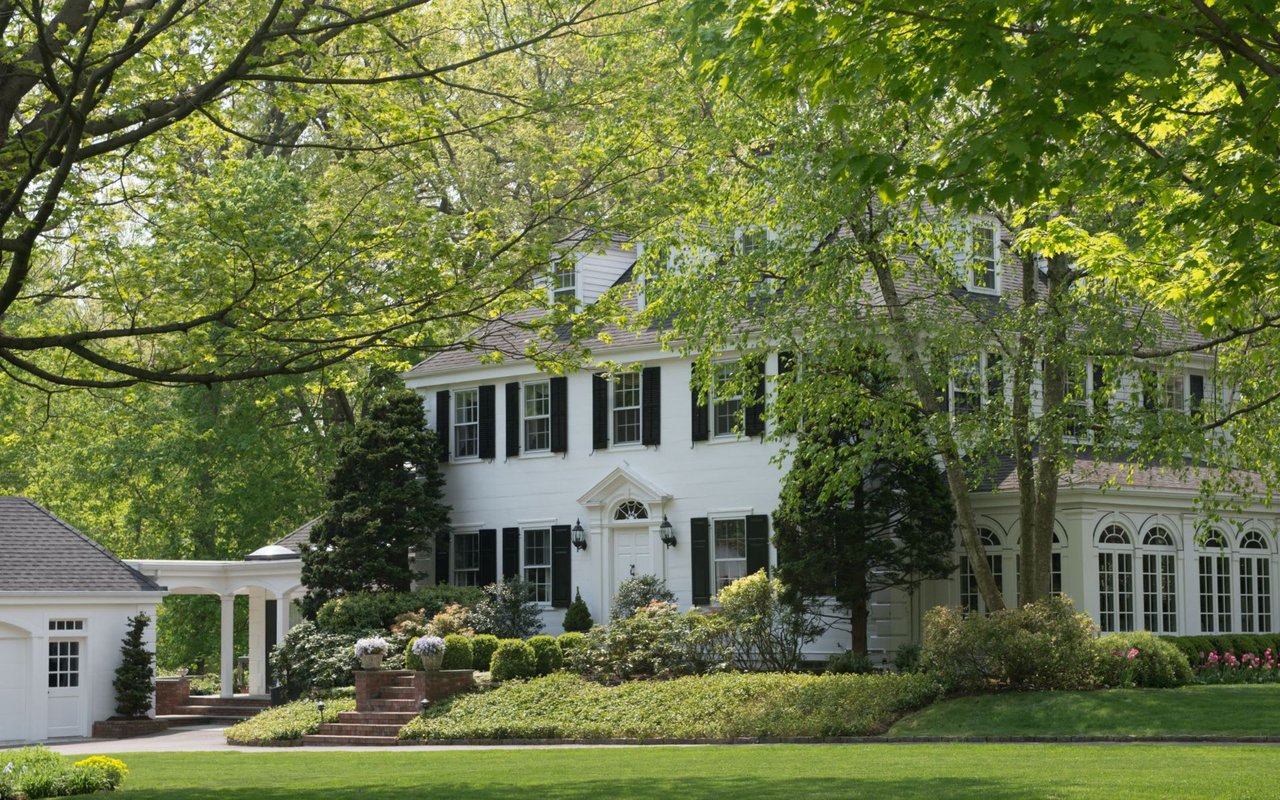
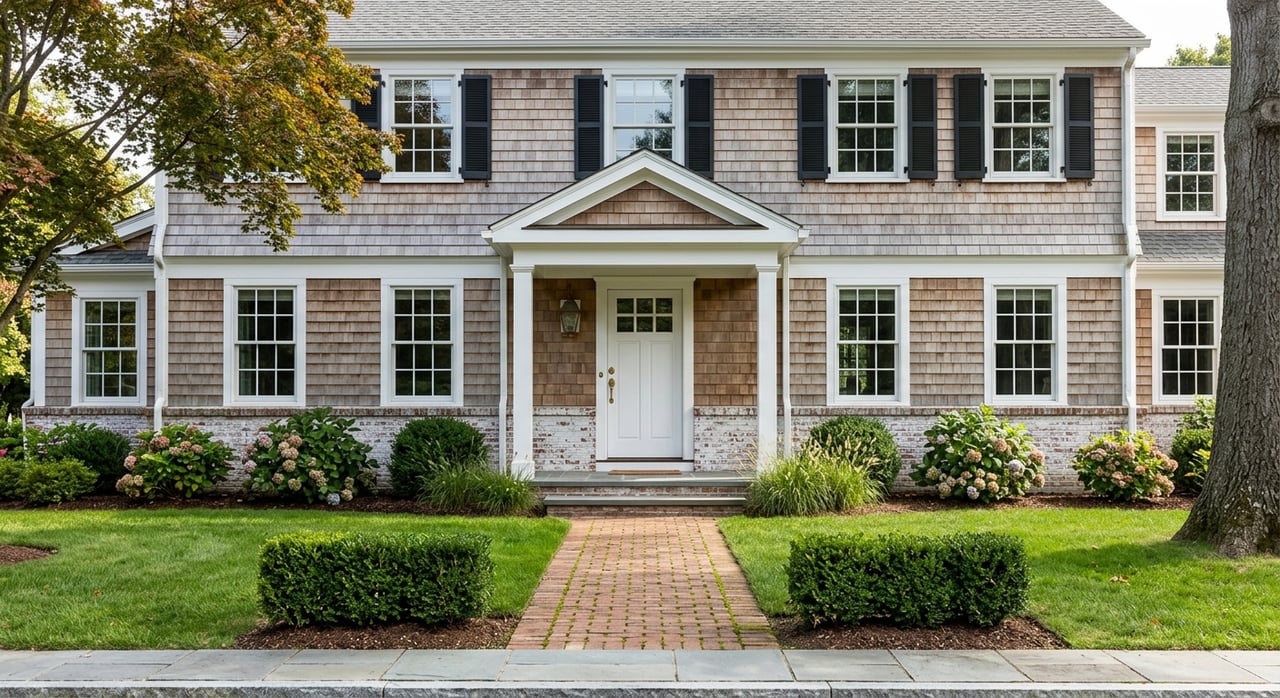
- Radiating outward: single-family neighborhoods with larger lots, where walk times increase and you’ll rely more on mixed modes.
Walkable locations often carry a price premium compared with farther-out neighborhoods. Trade-offs include smaller home sizes, less private outdoor space, and limited on-site parking. Rentals near the village can be a flexible way to try the lifestyle before buying.
Who benefits most from walkable living
- Young professionals and commuters who value dining, arts, and transit access.
- Downsizers who prefer less maintenance and proximity to daily services.
- Small households that want a walkable neighborhood within the local district. School site locations and offerings vary, so verify what fits your needs.
Two neighborhood experiences to compare
Thinking about the trade-offs? Use this quick comparison as a guide.
Within a 5 to 10 minute walk of the core
- Pros: Easy access to cafes, dining, parks, arts, and the station. Fewer car trips for daily needs.
- Trade-offs: Higher home prices per square foot, smaller private yards, limited on-site parking, more evening and weekend activity on nearby streets.
Within a 20 to 30 minute walk of the core
- Pros: More single-family options, larger lots, and quieter blocks. Potentially more on-site parking.
- Trade-offs: More mixed-mode trips for errands, likely driving for bigger groceries or appointments, and longer walks to the train.
House-hunter checklist: test walkability
Bring this checklist on your next visit so you can feel the routine for yourself.
- Walk the route to the train during your usual commute time.
- Time the loop for coffee, groceries, pharmacy, and the post office.
- Visit after dark to check lighting, foot traffic, and restaurant noise.
- Observe parking on your block in the evening and weekend.
- Find the nearest grocery or deli and ask about delivery options.
- Locate bike racks and note street comfort for short rides.
- Check mobile reception inside the home and along your daily routes.
- Note sidewalk quality and crossings if you use a stroller, walker, or mobility device.
Accessibility notes
Sidewalk quality and curb ramps are usually strongest in the commercial core. On side streets, conditions can vary, and winter weather can affect passability. If accessibility is a priority, confirm the exact routes you plan to use, including to the station, parks, and services.
Commuting to NYC from Huntington
The Huntington LIRR station connects you to Manhattan and other Long Island hubs on the Port Jefferson branch. Schedules and transfer needs change by time of day and day of week. Many commuters mix walking or biking with rail, or arrange drop-offs for early trains. If the train is part of your plan, visit during commute hours to test timing, platform experience, and station parking if needed.
How to make walkable living work
- Plan your weekly errands so you can cluster multiple stops in one loop.
- Keep a small wheeled cart or backpack for groceries and dry cleaning.
- Use a bike for medium-distance errands and station trips where it feels comfortable.
- Track seasonal events like concerts and markets so you can plan ahead for crowds and parking.
Why work with a local guide
If walkable living is a top goal, you need a clear picture of street-by-street trade-offs, parking rules, and inventory that does not always hit the public radar. As a locally focused agent with consistent yearly volume and a trusted vendor network, I help you compare micro-locations, understand pricing trends, and secure the right home with minimal friction. From buyer representation to premium listing services, staging, and relocation support, you get a high-touch process designed around your lifestyle priorities.
Ready to explore homes within walking distance of the village core? Start your Long Island home search with Kate Works.
FAQs
What does “Huntington Village” include in Suffolk County?
- It refers to the compact downtown area within the Town of Huntington near Huntington Harbor and Heckscher Park, centered on the Main Street and New York Avenue corridors.
Can I do daily errands in Huntington Village without a car?
- Many residents can walk to coffee, quick groceries, pharmacies, banks, dry cleaners, and the post office, though larger shopping trips often still involve driving.
How walkable is the area around the Huntington LIRR station?
- Housing near the station and downtown is denser and more pedestrian friendly, and many amenities fall within a 5 to 15 minute walk depending on your block.
Is commuting to NYC from Huntington practical without driving to the station?
- Yes for many, since the LIRR Port Jefferson branch serves Huntington; you can walk, bike, or arrange drop-offs, but schedules and transfer needs vary by time of day.
What are the parking options if I live near the village core?
- Expect meter parking, municipal lots, and time-limited curb spaces, with some residential permit zones; availability tightens during evenings and events.
Are there parks and arts venues within walking distance of Main Street?
- Yes, Heckscher Park is close to the core, and the village features live performance, galleries, and an independent cinema, all supporting evenings on foot.
Does walkable housing near downtown cost more?
- Often, yes; proximity to amenities typically comes with higher prices per square foot and trade-offs like smaller homes and limited on-site parking.
How does winter affect walkability in Huntington Village?
- Commercial sidewalks are commonly cleared faster than residential, but snow and ice still impact routes; plan footwear and alternate paths during storms.