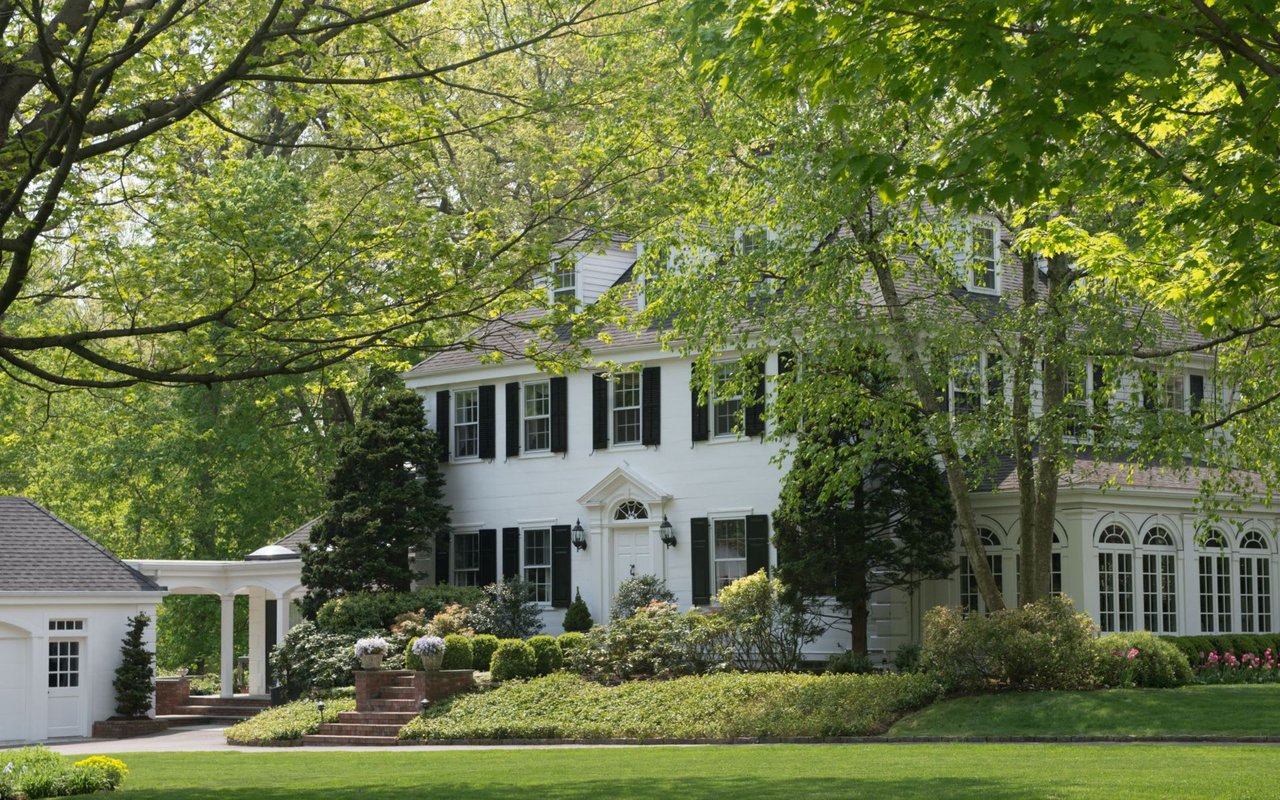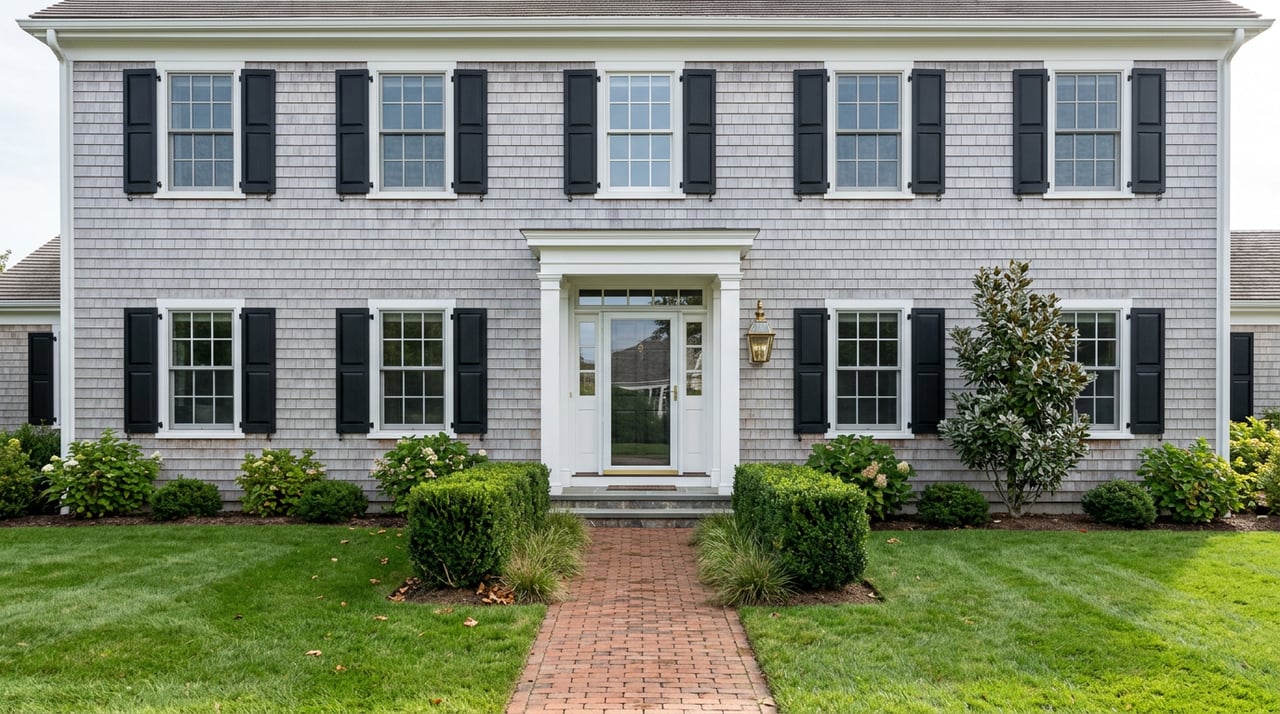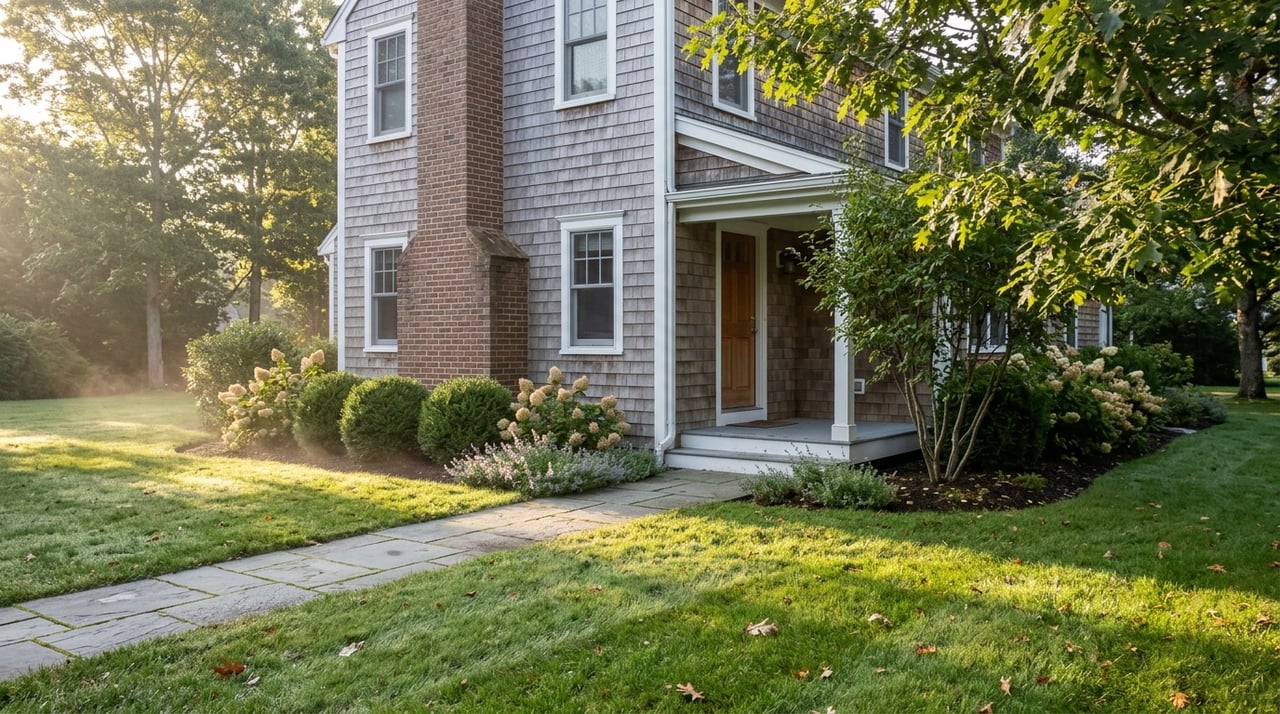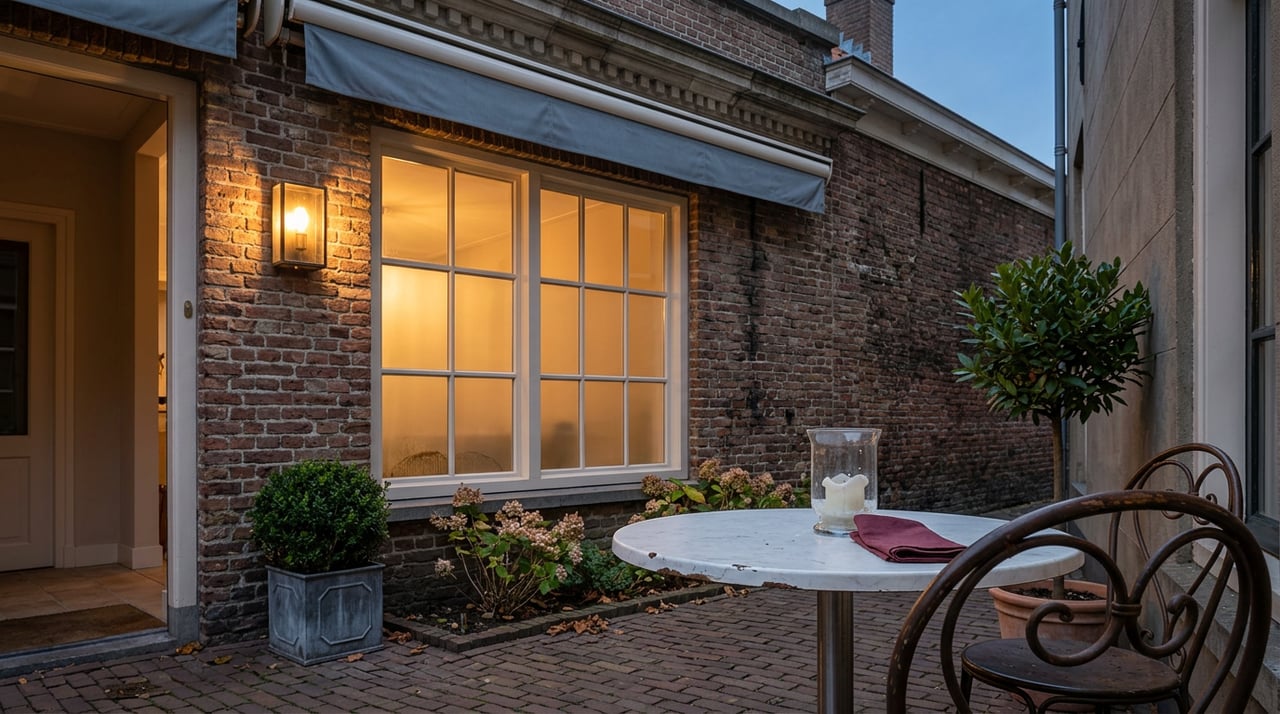
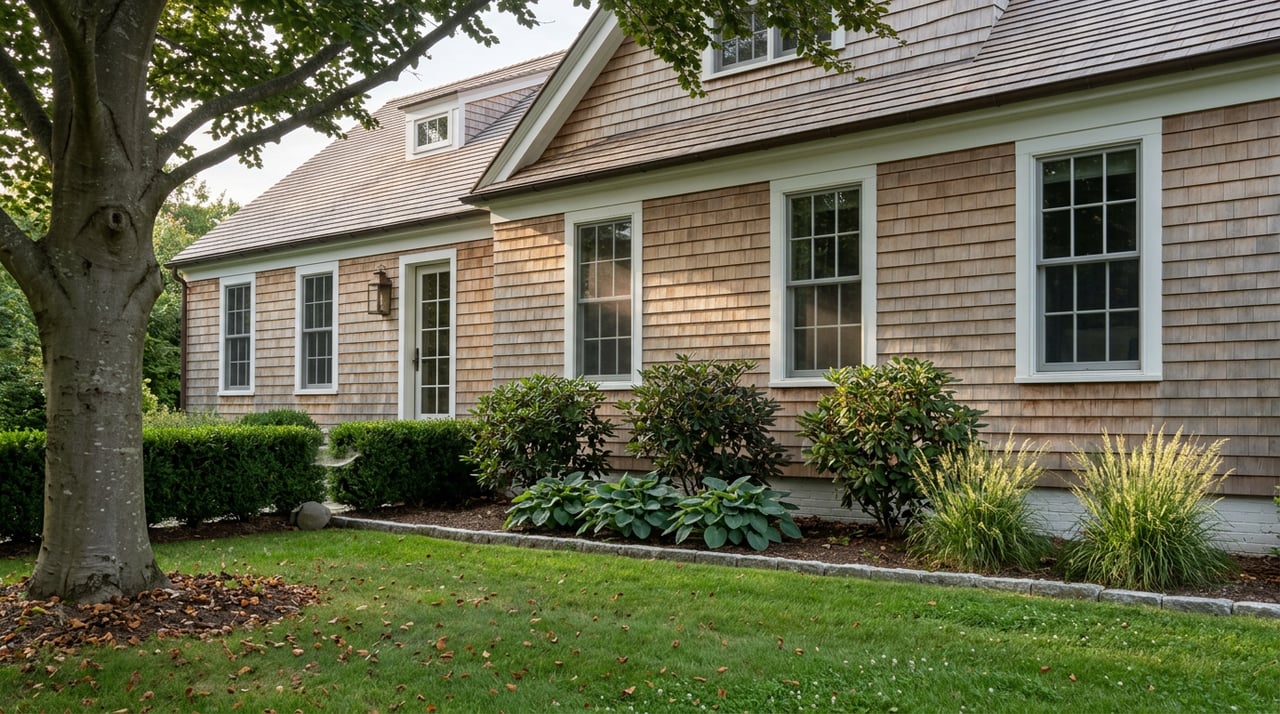
Picture two colonials on the same kind of quarter-acre lot, both built in the 1960s, both listed as move-in ready. One clears its buyer's FHA appraisal in about a week. The other stalls for nearly a month while the seller scrambles to find a licensed contractor who can certify a cesspool nobody has touched since disco was popular. Neither listing said a word about wastewater. The difference surfaced anyway, at the exact point in a transaction when it costs the most to discover: the buyer's inspection period.
That gap is not random, and in Cold Spring Harbor it is not rare either. The reason traces back to a small, mostly enclosed harbor that gives the hamlet its name, and to a set of state water-quality calculations that treat this particular body of water differently than most of the North Shore.
The harbor has already been measured
New York and Nassau County researchers modeling nitrogen loads across the North Shore's bays and harbors found that Cold Spring Harbor needs a nitrogen reduction of 27 to 60 percent, placing it in the same tier as Manhasset Bay and Hempstead Harbor. Across those same north shore subwatersheds, onsite septic systems account for 50 to 70 percent of the nitrogen load, even in places where sewage treatment plants also contribute.
That is the part most septic explainers skip. It matters here specifically because Cold Spring Harbor is small and largely enclosed. A wide, open bay can absorb a lot of individual septic decisions without the math changing much. A tight harbor cannot. Every older cesspool sitting a few hundred feet from the water carries more weight in the regulatory equation than the same system would carry on a bigger, more open shoreline. The hamlet's geography is doing double duty: it is the reason Cold Spring Harbor photographs so well from a boat, and it is the reason state scientists flagged it for correction.
What that math already bought local sellers
Suffolk County built its Septic Improvement Program around this exact logic. Parcels under an acre sitting within 1,000 feet of an enclosed water body get priority scoring for grant funding, ahead of properties farther inland. Cold Spring Harbor's older housing stock, built close to the water by the nature of the hamlet's layout, tends to qualify for that priority tier without a homeowner doing anything except owning the address.
The funding behind that priority status also got significantly better very recently. In September 2025, Governor Hochul signed legislation raising the state reimbursement rate for an enhanced septic system to 75 percent, up to $25,000, and directed $20 million in new grant funding toward Suffolk's program on top of the existing county grants, which have averaged around $11,450 per project historically.
Suffolk County Executive Edward P. Romaine said the combined funding would let homeowners upgrade septic systems "for virtually next to nothing."
For a system that typically runs $19,200 to $25,000 installed, that is not a minor rebate. It is close to full coverage for homeowners in the areas the state already flagged as priorities, which in Cold Spring Harbor is most of the hamlet.
The part your lender finds whether you disclose it or not
New York has no statewide law forcing a septic inspection at the point of sale. That fact shows up in a lot of generic guides and it is technically true. What those guides tend to leave out is that FHA and VA loans carry their own septic requirements, and a buyer using either product will need a satisfactory inspection regardless of what county or state law says. Suffolk County also requires septic systems to be inspected every three years with results reported to the Department of Health Services, so a system without recent documentation is already behind before a buyer's attorney asks a single question.
In practice, this has made septic certification, sometimes with a dye test, a routine part of Cold Spring Harbor closings, arranged through local licensed contractors rather than mandated by a single ordinance. It is expected because lenders expect it, not because a sign in Town Hall says so. That distinction matters for timing. As of May 2026, homes in Cold Spring Harbor sold after a median of 33 days on the market, down from 41 days the year before. A market moving that fast has little slack in it. A two-to-four-week scramble for permits and contractor scheduling, which is roughly how long a Suffolk County Department of Health Services permit review typically takes once an application is complete, eats a meaningfully larger share of the timeline now than it would have in a slower year.
Turning the cost into the selling point
Here is where the priority-area math and the lending reality point in the same direction. Because Cold Spring Harbor parcels near the water tend to sit in the county's higher grant-priority tiers, and because a documented upgrade satisfies exactly what an FHA or VA lender is going to ask for anyway, a pre-listing septic upgrade does two jobs at once. It clears the financing question before a buyer's attorney raises it, and it gives the listing a specific, verifiable claim, a nitrogen-reducing system registered through the county's SHIP portal, rather than a vague line about updated mechanicals.
Given the current sold-price range for the hamlet, a median of $2,064,500 in May 2026 with list prices running higher into June, a $19,000 to $25,000 line item is not what moves the price. What it moves is the calendar. Sellers who handle this before listing are working from a permit and inspection record instead of a countdown clock started by someone else's appraiser.
For homeowners weighing whether to start that process now, the practical first stop is Suffolk County's own septic grant program page, which lays out current eligibility and priority-area criteria directly. Homeowners curious about the underlying science can also look at the work coming out of the Center for Clean Water Technology at Stony Brook University, which was created specifically to address Long Island's nitrogen problem, or the Oyster Bay Cold Spring Harbor Protection Committee, a local group that tracks home wastewater issues in this exact watershed.
A few questions worth answering directly
Do I have to replace a working cesspool to sell my Cold Spring Harbor home? Not automatically. A functioning cesspool that is not backing up or causing structural problems can generally stay in place. The pressure to upgrade tends to come from the buyer's lender or from a system that is already showing its age, not from a blanket county mandate.
How long does an upgrade actually take before closing? Formal permit review through the county typically runs two to four weeks once a complete application is submitted, before installation even begins. That timeline is worth building into a listing schedule rather than discovering mid-contract.
Is Cold Spring Harbor on public sewer? No. Most of the hamlet, like the majority of Suffolk County, relies on private septic systems or older cesspools, which is exactly why the nitrogen math described above applies to individual households rather than a shared treatment plant.
Selling a Cold Spring Harbor home involves more moving pieces than the listing photos ever show, and the wastewater question is one that tends to surface at the worst possible moment if it hasn't been addressed already. If you're weighing when to list, or want a clear-eyed read on how a specific property's systems and paperwork stack up before a buyer's inspector gets there first, Kate Works can walk through what your particular address is looking at and help you get ahead of it.