Are you worried your dream Port Jefferson home could appraise for less than your offer? You’re not alone. In competitive moments on Long Island’s north shore, appraisal gaps can surprise even well-prepared buyers. In this guide, you’ll learn what creates appraisal gaps in Port Jefferson, how the appraisal process works, and smart strategies to protect your budget while keeping your offer strong. Let’s dive in.
Why appraisal gaps happen in Port Jefferson
Port Jefferson sits on the north shore with ferry access to Connecticut, nearby Stony Brook University, and LIRR service. These features attract a wide buyer pool, which can intensify competition. When multiple offers push prices higher, appraisals may lag because they rely on recent closed sales rather than the latest bidding activity.
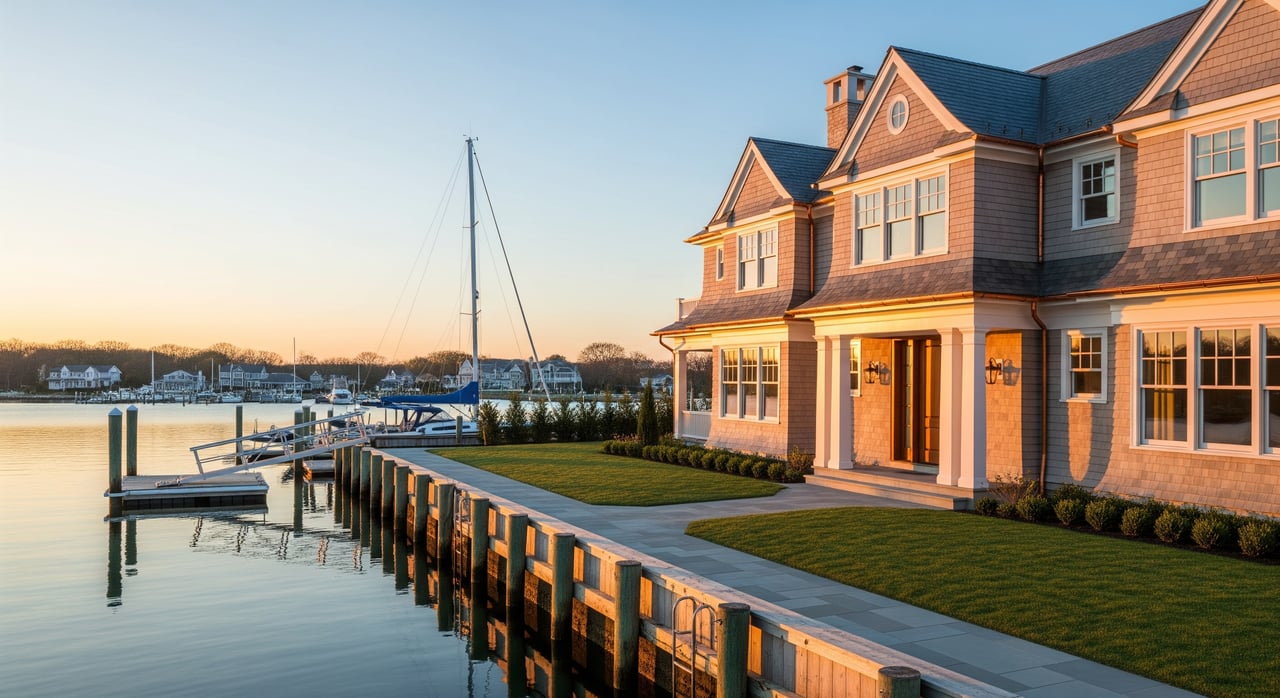
The housing stock is also diverse. You will see historic village homes, water-view properties, cottages, ranches, and newer builds. Waterfront premiums, flood-zone status, docks or moorings, lot shape, and septic versus sewer can all change value. With fewer truly comparable recent sales, appraisers often make larger adjustments, which raises the chance of a conservative value below a hot contract price.
Seasonal demand adds another wrinkle. Tourism and summer activity can spike interest and accepted offers, while closed comps from earlier months may not reflect those higher numbers yet. The result can be an appraisal that trails buyer behavior.
How an appraisal works
An independent, licensed appraiser estimates market value by analyzing comparable closed sales, then adjusting for location, condition, size, and features. They follow professional standards and lender requirements. Lenders typically base your loan on the lower of the purchase price or the appraised value.
If your offer is higher than the appraised value, you face an appraisal gap. You can attempt to renegotiate or bring additional funds to closing. Different loan programs have different flexibility, so it is important to speak with your lender early. For a plain-language overview, see the CFPB guide on appraisals.
Common local drivers of low appraisals
- Limited comparable sales for unique homes, waterfront, or large lots.
- Renovations without permits or documentation, which are harder to validate as value-adding.
- Flood-zone designations and related insurance costs that affect marketability.
- Septic systems or pending infrastructure changes compared with nearby sewered homes.
- Cash buyers setting new price points ahead of closed comps.
Strategies to bridge an appraisal gap
There is no one-size-fits-all approach. Your best move depends on your finances, loan type, and how much you want the home. Here are practical tools buyers use in Port Jefferson.
Offer and contract tactics
- Appraisal gap clause. You agree in writing to cover a specific amount over the appraised value, such as “buyer will cover up to $20,000.” This can give sellers confidence in your offer. Use attorney-approved language and understand how it affects your deposit and contingency rights.
- Escalation clause plus gap coverage. If you expect multiple bids, a capped escalation with a defined gap amount can keep you competitive while controlling risk.
- Pre-offer valuation. Consider a private appraisal or broker price opinion before making a final offer. Your lender will still order their own appraisal, but a pre-check can reduce surprises.
Financing and cash options
- Larger down payment. If the appraisal comes in short, you can bring extra cash to close. This is the most common solution for conventional loans.
- Bridge or portfolio loans. Specialty financing can help you close when timing or valuations complicate a standard loan. Terms vary by lender.
- Ask about appraisal gap products. Some markets offer insurance-like solutions or lender products that address shortfalls. Availability and terms differ, so discuss with your loan officer early.
Loan-program factors to know
- Conventional loans. Lenders fund the lesser of the purchase price or appraised value, and you can typically bring cash to cover a shortfall.
- FHA and VA loans. These programs focus tightly on the appraised value and include property standards. Review the basics at HUD FHA appraisal standards and VA home loan appraisal guidance, then confirm specifics with your lender.
- Lender overlays. Individual lenders may require reviews or limit second appraisals. Ask about policies before you write.
After a low appraisal
- Reconsideration of value. Work with your agent and lender to submit better comps, clearer documentation on upgrades, and facts the appraiser may have missed.
- Second appraisal. Some lenders allow it, often at your cost. Policies vary.
- Renegotiate. You can ask the seller to reduce price, split the difference, or offer concessions.
- Cancel under your contingency. If you kept your appraisal contingency and cannot reach agreement, you can usually exit and keep your deposit per contract terms.
Port Jefferson buyer action plan
Use this checklist to reduce risk and move fast with confidence.
- Before you tour homes
- Get preapproved and review appraisal policies with your lender. Confirm how different loan types handle shortfalls.
- Study recent closed sales for truly similar homes in the village and nearby areas using OneKey MLS.
- Learn price trends with the regional FHFA House Price Index and broader market context from NAR research on appraisal gaps.
- Before you write an offer
- Confirm the property’s flood-zone status using the FEMA Flood Map Service Center. Factor potential flood insurance costs into your budget.
- Ask for documentation on permits, septic service, improvements, and any elevation certificates. Check local records through the Town of Brookhaven building department and Suffolk County property records.
- Decide if you are comfortable adding an appraisal gap clause. Set a firm cap tied to cash you can truly verify. Have an attorney review language.
- When you suspect a gap risk
- Consider a pre-offer broker opinion or private appraisal for additional perspective.
- Pair a reasonable escalation clause with a defined appraisal gap amount.
- Clarify how the gap clause interacts with your appraisal contingency and earnest money.
- If the appraisal comes in low
- Request the full report immediately.
- Work with your agent to assemble better comps, permits, receipts, and an itemized improvements list for a reconsideration of value.
- Open negotiations with specific scenarios so the seller has options.
Real-world scenarios and simple math
Here are common ways buyers and sellers resolve gaps in Port Jefferson. These are examples for illustration only. Your final numbers depend on your lender’s rules and available cash.
- Buyer covers the gap in cash. Contract price 750,000. Appraised value 730,000. You bring an extra 20,000 to closing in addition to your planned down payment.
- Seller reduces to appraised value. Price drops to 730,000. Your loan and down payment adjust accordingly.
- Split the difference. Each party moves 10,000. Final price 740,000 with 10,000 additional cash from you.
- Cancel under contingency. If protected by your appraisal contingency and you cannot reach agreement, you cancel and recover your deposit per contract terms.
Where to verify numbers and rules
- Market data and closed comps. Use OneKey MLS for the most relevant sales nearby.
- Flood-zone and elevation. Check the FEMA Flood Map Service Center.
- Permits and property records. Confirm through the Town of Brookhaven building department and Suffolk County property records.
- Program rules and trend context. Review the CFPB guide on appraisals, HUD FHA appraisal standards, VA home loan appraisal guidance, NAR research on appraisal gaps, and the FHFA House Price Index.
Work with a steady local guide
Appraisal gaps do not have to derail your move. With the right prep, clear contract language, and quick responses to a low appraisal, you can protect your budget and still win the right home. If you want a calm, locally focused strategy from the first tour through closing, reach out to Kate Works. We will align your financing, offer terms, and documentation so you are ready for any outcome.
FAQs
What is an appraisal gap in a Port Jefferson home purchase?
- It is the difference between your contract price and the appraised value used by the lender. If the appraisal is lower, you can renegotiate or bring cash, depending on your contingency and loan.
Why are appraisal gaps more common for waterfront or unique homes?
- Waterfront features, elevation, flood insurance, and custom upgrades reduce the number of truly comparable sales, so appraisers make larger adjustments that may land below aggressive offer prices.
How can I prepare my Port Jefferson offer to handle a short appraisal?
- Consider a capped appraisal gap clause, verify you have the funds, and confirm your lender’s policies. Ask your attorney to review language before you submit.
What are my options if the appraisal is low on my conventional loan?
- Request a reconsideration of value with better comps and documentation, renegotiate price, split the gap with the seller, bring additional cash, or cancel if you kept the appraisal contingency.
Do FHA and VA appraisals work differently than conventional?
- FHA and VA follow program standards and usually anchor the loan tightly to the appraised value. Review FHA and VA guidance and confirm details with your lender before you offer.
Where can I check flood-zone status for a Port Jefferson property?
- Search the address in the FEMA Flood Map Service Center to see the mapped zone and discuss any insurance impacts with your lender and insurance provider.