Trying to decide between a shiny new build and a character-filled resale in Patchogue? You are not alone. Your choice will shape your budget, timeline, and daily life, from HOA fees to commute and flood insurance. In this guide, you will get clear, local insights on Patchogue’s options, what they cost, how financing and warranties differ, and a simple framework to choose with confidence. Let’s dive in.
Patchogue market snapshot
Patchogue offers a walkable village core with dining, nightlife, and waterfront access, plus convenient LIRR service for commuters. Downtown has seen steady revitalization and infill growth supported by the Village of Patchogue. You will find older single-family homes on small lots, some 2–4 unit properties, larger apartment buildings, and newer condo or mixed-use developments closer to Main Street.
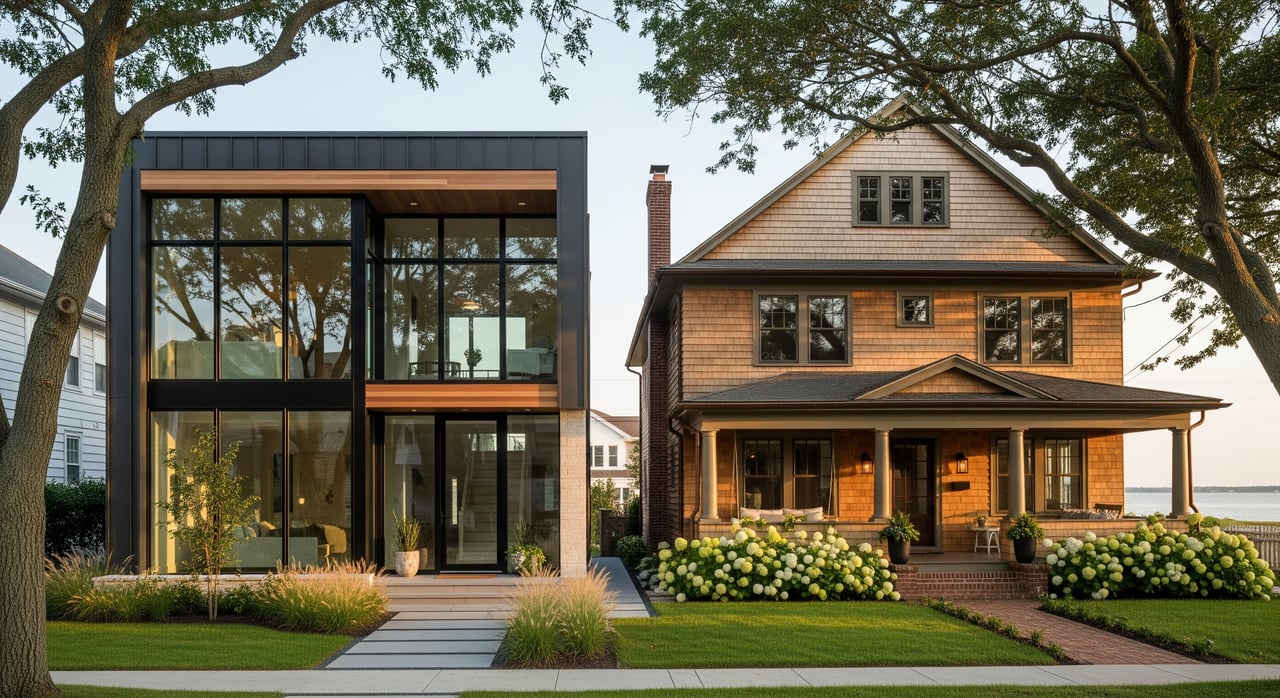
What “new construction” means locally: inside the village, broad single-family subdivisions are limited. Most new homes are condos, townhomes, or small-lot infill builds rather than large tracts. If you want modern amenities near restaurants and the train, you will likely look at newer condo or mixed-use properties. If you want a yard and more space, you may lean toward resale single-family homes in residential pockets outside downtown.
New construction vs resale costs
New homes often sell at a per-square-foot premium versus similar existing homes. Industry reports commonly estimate a 5 to 20 percent premium, which can climb in prime downtown or waterfront spots. Premiums also reflect builder reputation, finishes, and scarcity.
Upfront costs can diverge. New builds may include lot premiums, upgrade packages, and allowances that push the contract price higher. Builders sometimes offer incentives such as closing-cost help or rate buydowns, which you should weigh against total price and long-term value.
Monthly costs matter too. In Suffolk County, property taxes run higher than national averages. New construction is not automatically taxed lower. Assessment timing can differ, so review local rules and history through Suffolk County property tax resources. If you are eyeing a condo or townhome, be sure to factor HOA fees into your monthly budget. HOA dues often cover exterior maintenance, common-area insurance, reserves, and services like trash and snow removal.
Closing timelines differ. Resale transactions commonly close in about 30 to 60 days if financing and inspections go smoothly. New construction can take months to complete. Deposits may be staged and can become non-refundable after certain milestones, so read contracts closely.
Warranties, inspections, and risk
Many builders offer a common warranty structure: around 1 year for workmanship, roughly 2 years for major systems, and up to 10 years for structural defects. Coverage and exclusions vary by contract, so confirm details in writing. For a primer, review NAHB guidance on new-home warranties.
Even with a warranty, hire an independent inspector. Schedule key checkpoints, such as a pre-drywall review and a final inspection, and confirm a valid Certificate of Occupancy before you close. For condos, verify municipal inspections are complete.
If you are buying pre-construction, consider builder solvency and completion risk. Research the builder’s track record, ensure deposits sit in escrow, and review change-order and delay provisions with a local attorney.
For resale homes, inspections are your leverage and protection. Older homes can have issues like aging roofs, older electrical or plumbing, and in some cases legacy materials that warrant further evaluation. Inspection findings can support price negotiations or repair credits.
Timelines and financing
Resale timelines often run 30 to 60 days from contract to close. New construction can range from 3 to 12 months or more, depending on permit timing, supply chains, and build progress.
Financing can also diverge:
- Completed spec homes often qualify for standard conventional loans.
- Off-plan or in-progress homes may require construction-to-permanent loans with interest-only draws during the build. Review HUD’s construction financing overview for basics and talk with a local lender about what fits your situation.
- First-time buyers should explore SONYMA first-time buyer programs, which can help with down payment and offer competitive rates on certain products.
New construction deposits for upgrades or lot premiums may increase your cash at signing. Clarify deposit schedules and whether any portions become non-refundable.
HOA and condo factors
Many new developments in Patchogue have HOAs with monthly dues. Before you sign, request full documents and financials. Review:
- What the monthly fee covers and how reserves are funded.
- Special assessments in recent years and the reason for them.
- Rental rules that may limit leasing or short-term stays.
- Management quality, delinquency rates, and litigation history.
For a solid checklist of what to examine, the Community Associations Institute checklists are a helpful reference. If investing, verify rental rules and minimum lease terms, then confirm local demand near the LIRR and downtown amenities.
Location trade-offs in Patchogue
Downtown offers walkability, dining, entertainment, and proximity to rail. Expect smaller footprints and potential parking constraints, along with HOA fees if you are in a condo or townhome community. Outside the core, you may find larger yards and more privacy in established neighborhoods.
For commuters, proximity to the Patchogue LIRR station is a real plus. Explore schedules and routing via the MTA’s LIRR service to judge travel times.
If you are near the waterfront, confirm your flood zone status. Properties in FEMA-designated zones may require flood insurance and have elevation requirements for new builds. Use the FEMA Flood Map Service Center to check a parcel’s risk and factor insurance into your budget.
How to decide: a simple framework
Ask yourself six questions:
- Timeline: Do you need to close in 1 to 3 months, or can you wait for construction?
- Cash readiness: Do you have funds for deposits, upgrades, and higher closing costs if required?
- Maintenance: Do you prefer low maintenance now, or are you open to renovations to gain value?
- Location: Is downtown access and transit your top priority, or do you want more yard and space?
- Rental strategy: If investing, do the HOA rules and local demand support your plan?
- Risk tolerance: Are you comfortable with builder timelines and contract terms, or do you want the predictability of an existing home?
Try a quick scorecard. Rate each factor from 1 to 5 for importance. Then score how well “New Construction” and “Resale” meet your needs. Multiply importance by each score, then compare totals. The exercise brings clarity when emotions run high.
Quick checklists before you commit
For new construction
- Verify the builder’s reputation, financial stability, and past projects.
- Get full warranty terms in writing, including transferability and exclusions.
- Confirm permit status, build timeline, and Certificate of Occupancy requirements.
- Understand change-order pricing, upgrade menus, and deposit protections.
- Align your loan path with a lender experienced in construction-to-perm options and FHA or VA programs if applicable.
- Review HOA documents, budgets, and rules before signing.
- Check flood zone status and potential flood insurance costs.
For resale
- Order a comprehensive home inspection and specialty inspections as needed.
- Review recent comparable sales and neighborhood trends.
- Verify property tax history with Suffolk County property tax resources.
- Estimate life expectancy for roof, HVAC, water heater, and major systems.
- Ask your attorney to review title, disclosures, and any repair agreements.
Ready to tour Patchogue options?
Whether you want a condo near Main Street or a classic single-family on a tree-lined block, you deserve a process that feels clear and calm. If you would like a guided search, introductions to local lenders, inspectors, and attorneys, and steady advocacy from offer to close, connect with Kate Works. Let’s make your Patchogue move feel simple and successful.
FAQs
What is the typical price gap between new and resale homes in Patchogue?
- Industry reports often show a 5 to 20 percent premium for new construction, influenced by finishes, builder reputation, and location near downtown or the waterfront. See context in NAHB guidance on new homes.
How long does it take to close on a new construction home in Patchogue?
- It can take 3 to 12 months or more depending on build stage and permitting, while resale closings often finish in 30 to 60 days when financing and inspections stay on track.
Are Patchogue condos a good fit for small investors?
- Condos near downtown amenities and the LIRR can attract steady demand, but review HOA rental rules, leasing caps, and financial health first using Community Associations Institute checklists.
Will new construction lower my property taxes in Suffolk County?
- Not necessarily. Taxes are not automatically lower because a home is new. Review assessments and history through Suffolk County property tax resources before you buy.
Do I need flood insurance for a Patchogue home near the water?
- If the property sits in a FEMA-designated flood zone, your lender may require flood insurance. Verify risk through the FEMA Flood Map Service Center and budget accordingly.